
/ LAB NOTES / ENGLISH
The Early Days of VR: A Personal Perspective from Japan
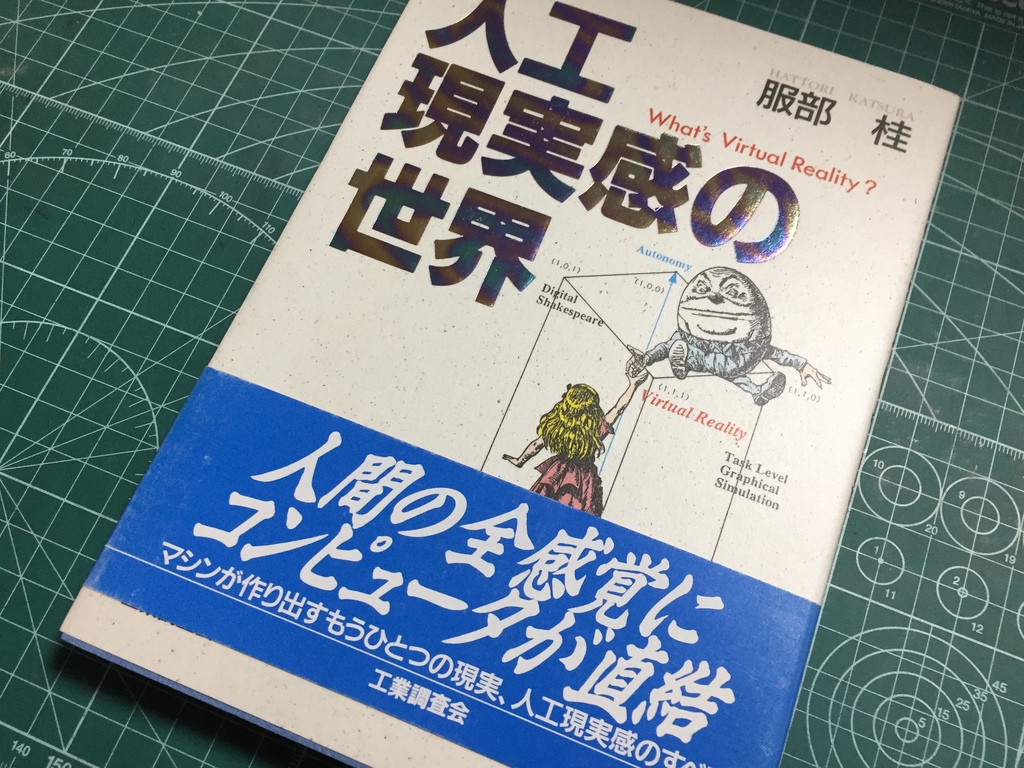
English edition, 12 October 2026. Based on my Japanese essay, originally published on 28 October 2019 and later reposted on Zenn on 26 August 2024. The historical account keeps that essay’s perspective; the closing 2026 editorial update is new.
In 2019, Katsura Hattori published VR Genron (VR原論; roughly, “Principles of VR”) [2], a renewed edition of Jinkō Genjitsukan no Sekai (人工現実感の世界; “The World of Artificial Reality”), originally published in 1991 [1]. The book evokes the VR scene around Cyberthon [3][4], held by the Whole Earth Institute in 1990. The English glosses here describe the Japanese titles; they are not claims that English editions were published under those names.
The earlier book reported on the people and circumstances surrounding early VR. I regard it as a pioneering account, comparable to Howard Rheingold’s Virtual Reality [5][6]. Rheingold is also known for Tools for Thought.
VR Genron supplements the earlier book with conversations looking back at the period around 1990. Those conversations prompted this essay. I was part of the generation deeply impressed by the original book, and reading the new edition brought back memories.
As the opening of VR Genron observes, it is surprising and unfortunate how much of early VR has slipped from memory. The internet and digital cameras were not yet commonplace, so little digital material survived. Books from the period, including the earlier volume, also went out of print. Perhaps some of that loss was inevitable.
From the early 1990s through the rise and decline of VRML around 2000, I was immersed in VR and 3D, both at work and as a hobby. Younger people are often surprised when I mention programming while wearing an HMD and a data glove in the early 1990s. What surprises me is the size of that generational gap.
Here I look back at the period from 1991, after the publication of the original book, to around 1995, when the internet began to spread. I draw on the materials and books I have kept, as well as my own recollections.
On this page25 sections
What Happened to the “Reality Engine Builders”?
The original book covered VR in the United States and Japan around 1990, including several American ventures described as “Reality Engine Builders.” The photograph below is an often-reproduced image from NASA Ames Research Center: the wearer has a NASA HMD and a VPL DataGlove, also discussed in VR Genron [10]. I begin by looking at what happened to those ventures.
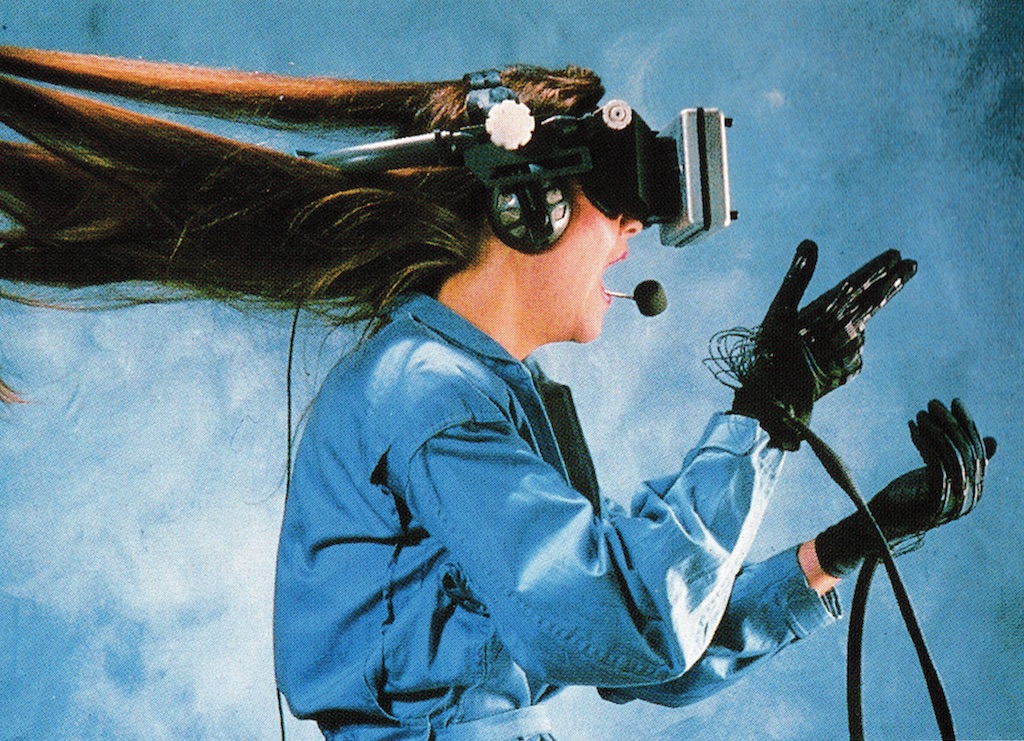
The American ventures discussed in the book tried to bring lower-cost VR systems and dedicated software development kits (SDKs) to market.
However, in the end, due to the dramatic improvement in PC/3D graphics performance after 1995 and the standardization of 3D APIs such as OpenGL and Direct3D, their dedicated VR systems and SDKs (proprietary 3D graphics APIs + support for VR devices) gradually disappeared.
VPL Research
Although its active period was short, VPL Research and Jaron Lanier helped bring the term and concept of virtual reality to a wider audience. They were central figures in the early VR boom.
VPL’s pioneering DataGlove and Eyephone helped drive that boom. By 1990, the company reported having 500 customers around the world [7]. The photograph below, reproduced in ASCII’s Cyberthon 1990 coverage [3][4], shows Lanier speaking with the energy of an evangelist.
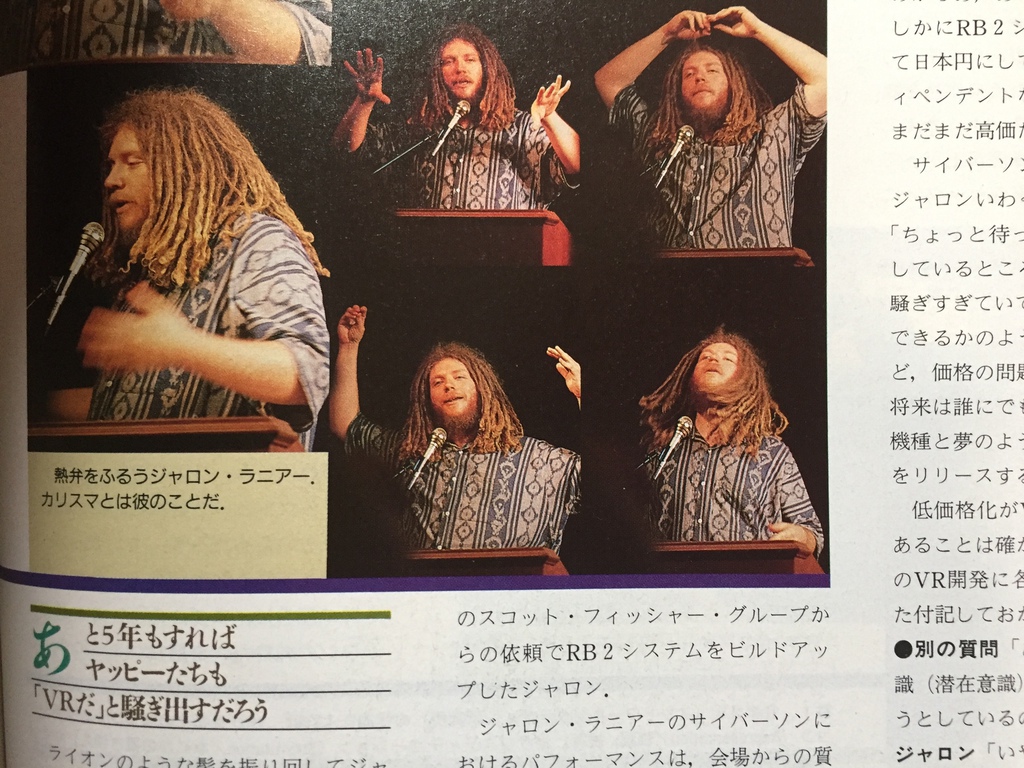
VPL followed its devices with the RB2 VR system. Workstation-based VR remained expensive [4], however, and the company looked beyond research institutions toward lower-cost Macintosh-based systems [4][7].
What is Body Electric?
VPL systems such as RB2 and, later, MicroCosm centered on BE (Body Electric), a visual-language control system. It embodied the visual-programming approach behind VPL and Lanier’s ideas [8].
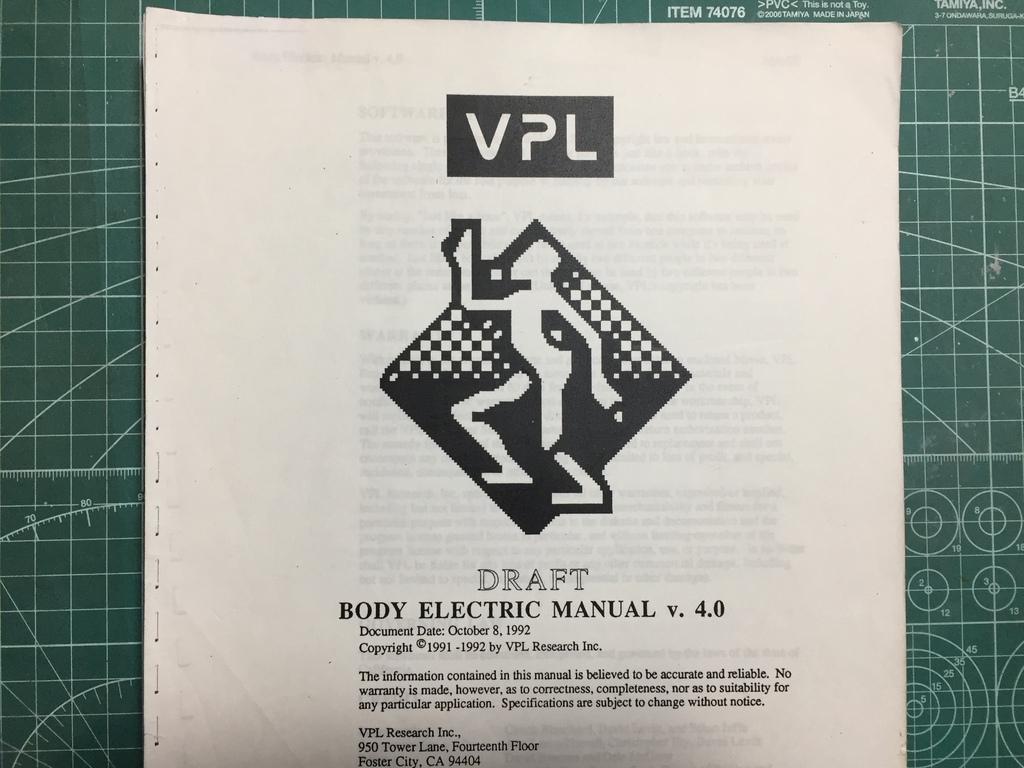
BE was software that ran on a Macintosh II (System 6) and served as the controller for the entire VR system. BE collected information from VR devices such as the data suits, DataGloves, and magnetic sensors (Polhemus Fastrak or Ascension Bird) manufactured by VPL Research via RS-232C (serial).
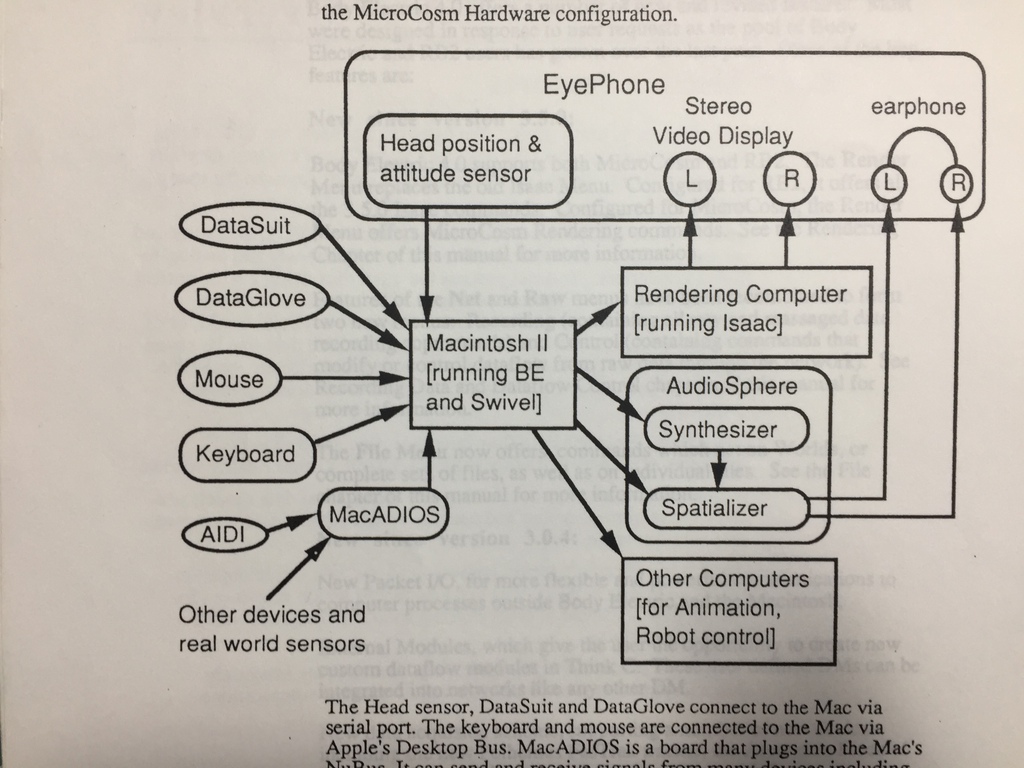
BE sent the collected device data over Ethernet to IRIS graphics machines using the system called Issac, at 30 updates per second. It also supported Swivel (3D) models, converting and transferring them in the Issac format.
Body Electric used a dataflow visual language. Modules exposed multiple inputs and outputs, and connecting them created the behavior of a virtual environment. The manual’s tutorial below takes input from an ADB mouse, performs simple arithmetic, and displays the results.
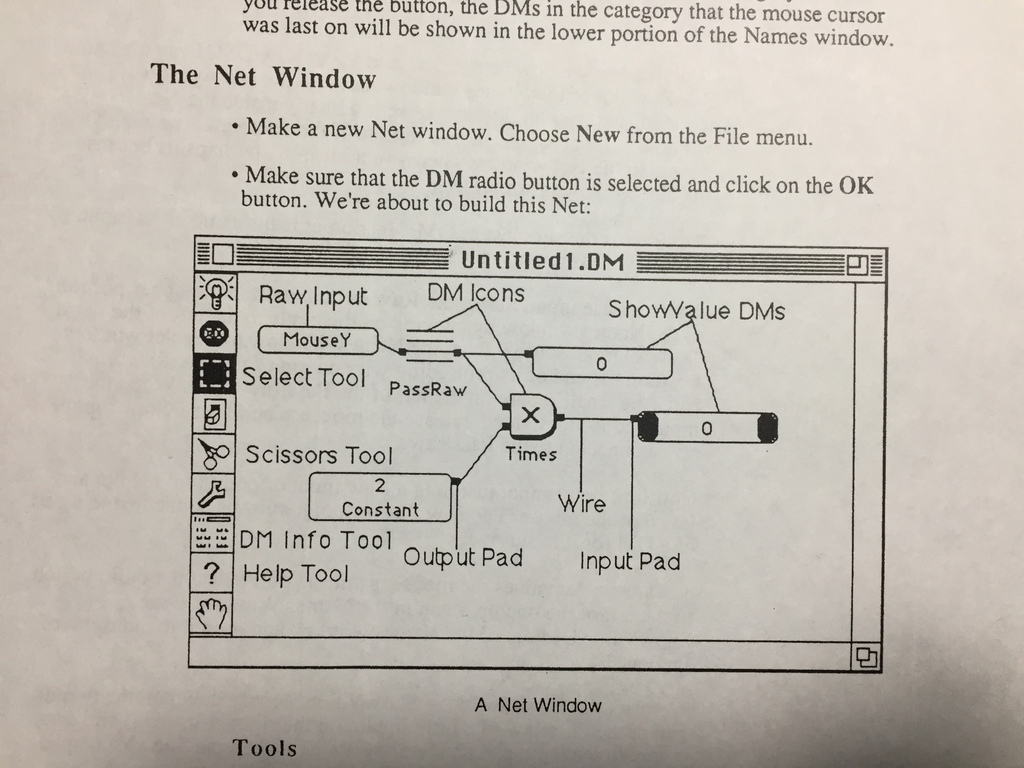
Users could supplement the built-in modules with their own, using TCL or C (THINK C). It looked approachable at first, but I found its programming model restrictive.
Around 1990: VPL in Japan and Financial Trouble
The RB2 from VPL Research was delivered to research institutions around the world, including in Japan [7], with the most famous installation being at the Matsushita Electric Works showroom in Shinjuku, West Exit [11].
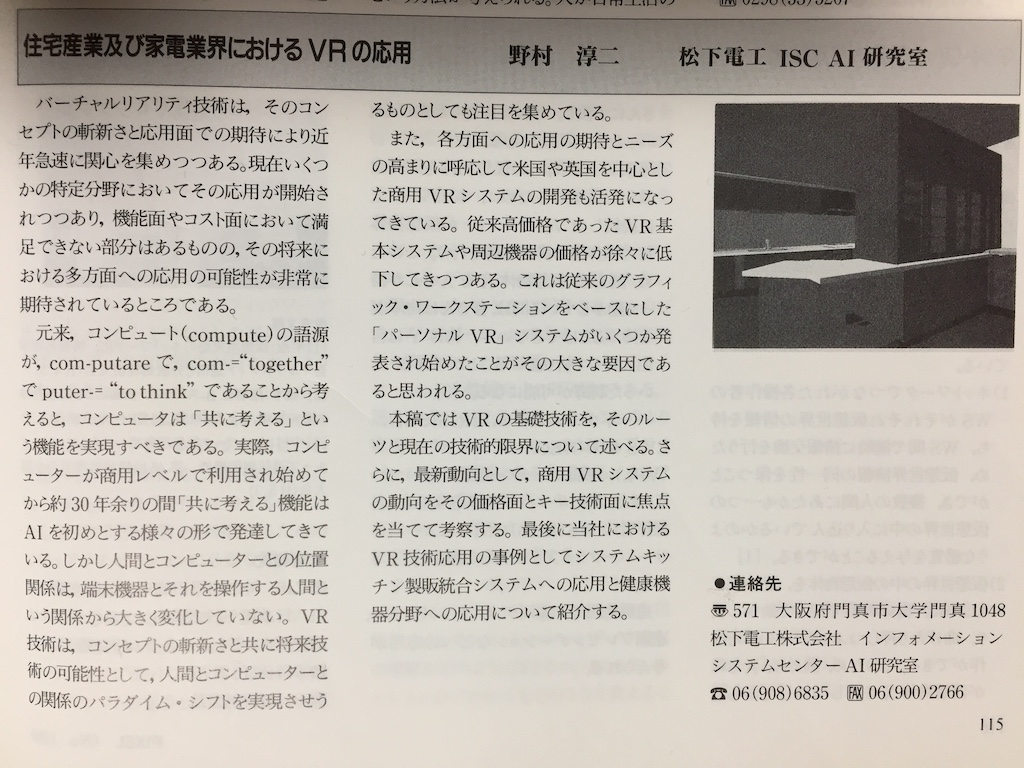
I visited several times, but my impression was that the RB2 was often out of order. For research, I suspect many institutions bought an Eyephone or DataGlove separately rather than the whole system. Calibration was one issue; the fiber-optic glove was also mechanically fragile.
Around 1990, I began hearing reports that VPL was in serious financial trouble and had gone bankrupt. Perhaps frequent hardware failures contributed, but I did not have a clear picture of the company’s finances. The Japanese distributors said little beyond “apparently it has gone bankrupt,” and I did not initially understand how serious the situation was. The company continued after restructuring.
1991: ICAT 1991
In 1991, the first VR-related conference in Japan, ICAT (International Conference on Artificial Reality and Telexistence) [59], was held. At the attached exhibition venue at Makuhari Messe, several VR systems mentioned in the book "Artificial Reality" were on display, and this conference served as my formative experience with functional VR systems.
Walking through the exhibition, I saw Jaron Lanier and asked to shake his hand, rather like a star-struck fan. I think I knew him more through the Japanese book Jitsuroku! Tensai Puroguramā (実録!天才プログラマー) [8] than through VPL itself. I believe RB2 was on display too, but I do not remember trying it—perhaps the crowd was too large, or perhaps it was not working.

My first hands-on VR experience there was SENSE8’s WorldToolKit demo running under a DOS extender. Two Intel 403E PCs (i486/33 MHz), each with an Intel ActionMedia Board II (i750/82750PB + 82750DB), were synchronized through their printer ports. A Virtual Research Flight Helmet received stereoscopic images and used ultrasonic head tracking adapted from a Logitech 3D mouse. A SpaceMouse controller let the user move through the virtual environment.
In the conference’s name, “Telexistence” reflected Professor Tachi’s field. My understanding was that “Artificial Reality” acknowledged Myron K. Krueger, who attended; Professor Hirose and others also used the term in their papers.
Today, AR generally brings augmented reality to mind. In that early setting, it referred to Krueger’s Artificial Reality [9][10], a concept distinct from VR [3][9][10].
VR Genron includes Professor Hirose’s recollections of that period. For my part, I saw Krueger’s Artificial Reality as oriented toward communication and interactive art. It was pioneering, but different from VR, and I remember the term itself being treated as somewhat outside the mainstream.
I suspect relatively few people now think of “Artificial Reality” when they hear AR. I wonder how Krueger would view that change in usage.
1992: MicroCosm
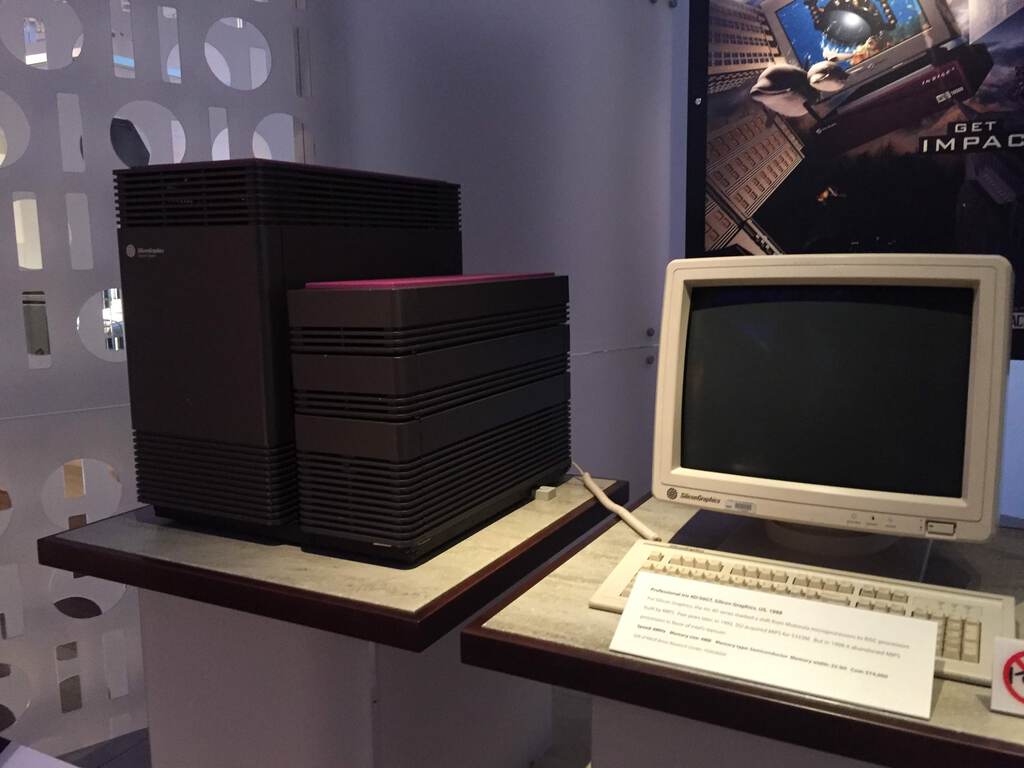
Because the RB2 was designed with programs created in BE (Body Electric) and rendered on SGI workstations (IRIS/4D), it inevitably required expensive workstations, resulting in a configuration that easily exceeded 10 million yen, which became a bottleneck for widespread adoption [4]. Below is a photo of an IRIS/4D displayed at the Computer History Museum in the United States.
Against this backdrop, like other VR ventures, VPL Research began developing low-end VR immediately after the announcement of the RB2 [4]. However, due to the twists and turns following their bankruptcy, the turmoil at VPL Research continued, and by 1992, early development members had left [6], and Jaron himself ultimately ended up leaving VPL Research [6][7].
However, even with the departure of key members (or perhaps because of it?), VPL Research announced the Macintosh-based MicroCosm. MicroCosm was based on the Macintosh Quadra 900 and featured a rendering configuration with two NuBus graphics cards. In terms of devices, it was configured to connect to a low-cost version of the Eyephone and a controller known as the MicroCosm Tower, which housed the Polhemus Fastrak and DataGlove.
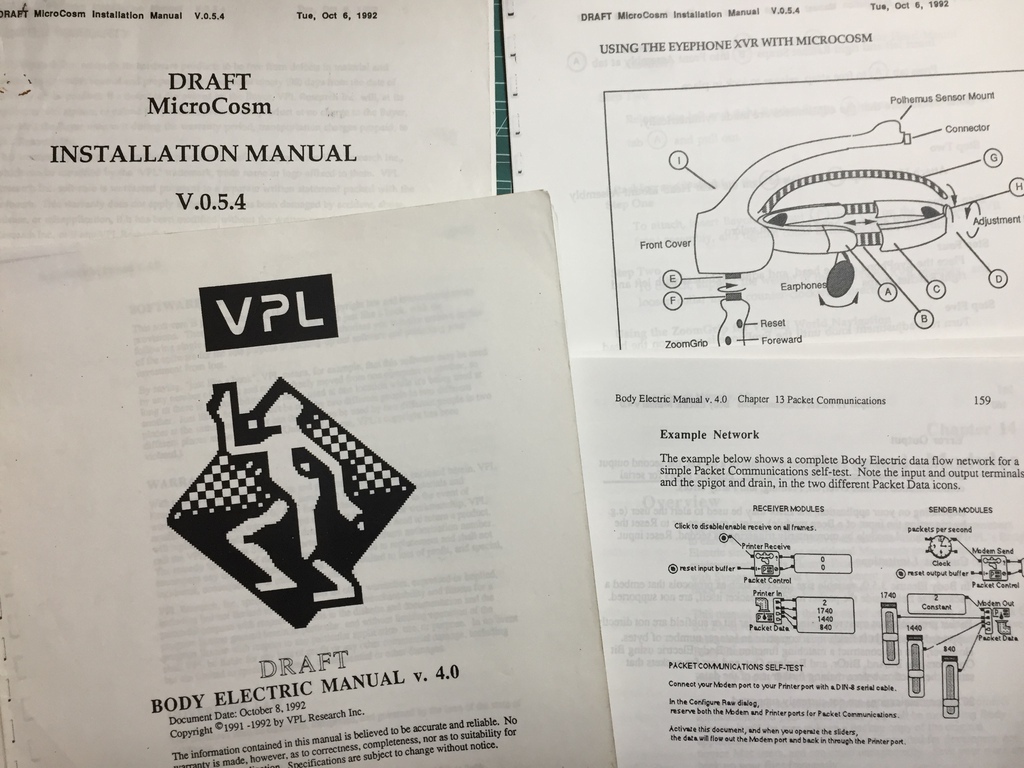
Although MicroCosm was announced, shipments were difficult, with the system being delivered to customers in a piecemeal fashion. Moreover, Jaron, having left VPL Research, established VR Builders [12], leading to even greater chaos. They seemed to have been developing the rendering board based on Division's i860 board [7], but I am not certain if it was ever finally shipped.
1993: Exploring Domestic Production and IVR 1993
Despite VPL’s public visibility, the accounts I consulted describe unstable finances [6], disputes over unpaid debts [12], patents held by Thomas G. Zimmerman [6][21], and transfers of patent rights [12]. Taken together, they suggest that the company was under strain early on [6][11].
There were independent efforts to rebuild, such as the Japanese general agent continuing technical partnerships with VPL Research to attempt domestic production of the DataGlove [17] and exploring the provision of other VR systems such as VRmaker [6].
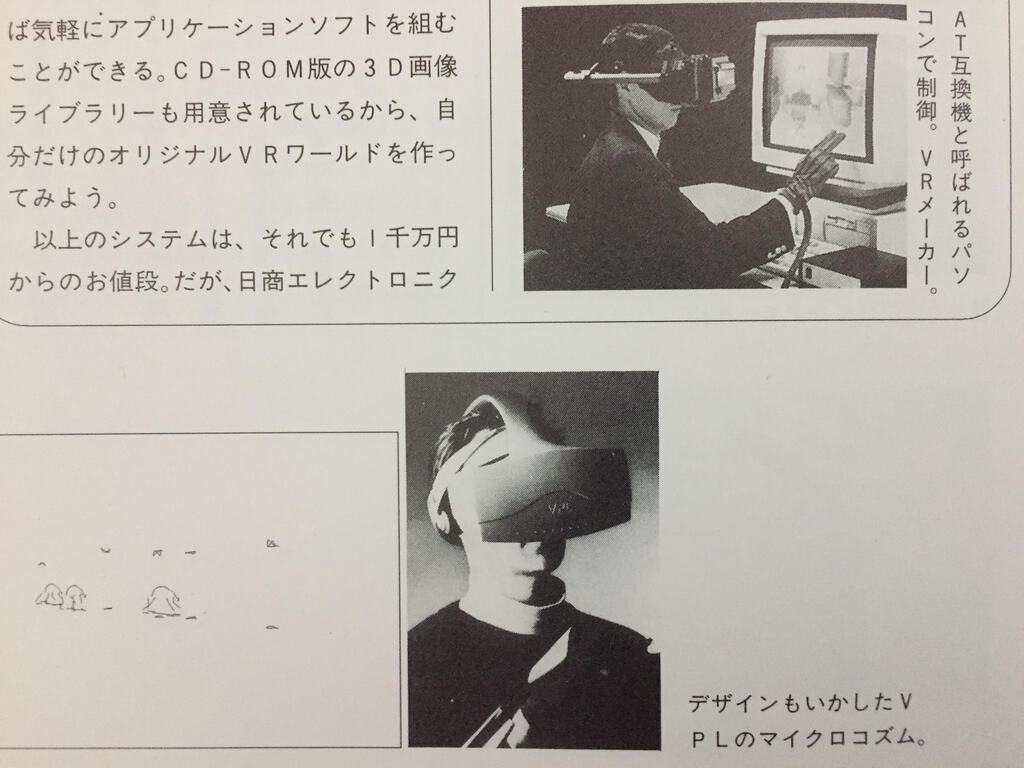
Prototype gloves manufactured domestically were also provided as common hardware for the IVRC (Inter-collegiate Virtual Reality Contest) [59] held at the first Industrial Virtual Reality Expo (IVR) in 1993 [59], which continues to this day.
The prototypes were easier to handle and less expensive. Even so, competition from products such as CyberGlove made me doubt whether a business extending VPL’s approach remained viable.
The Successor and Demise of RB2
Meanwhile, despite the low-end MicroCosm, the high-end VR system that would have been an extension of the RB2 line, as mentioned at events like Cyberthon [4], was never released. There were also industry rumors of a high-resolution HMD from a certain Japanese company (though that meant only about 300,000 pixels in VGA by modern standards), but I never heard of any such product reaching the market.
This was the period when IRIX graphics were moving from GL to OpenGL. I did not hear of RB2 operating in the IRIS Crimson/RE era, so I suspect it never gained an IRIX/OpenGL version. I did not regard the API transition as the main obstacle; my impression was that VPL, under financial pressure, had shifted its attention from high-end systems to MicroCosm. That is an impression, not a verified account of the engineering decisions.
VPL had made a striking entrance, but looking back, its high point seems to have been around 1990—the period of the original book and Cyberthon [3][4]. Sun Microsystems acquired VPL’s patents in 1999; the VPL era had come to an end.
Autodesk
Autodesk was a major PC CAD software company, and another prominent participant in efforts to commercialize VR.
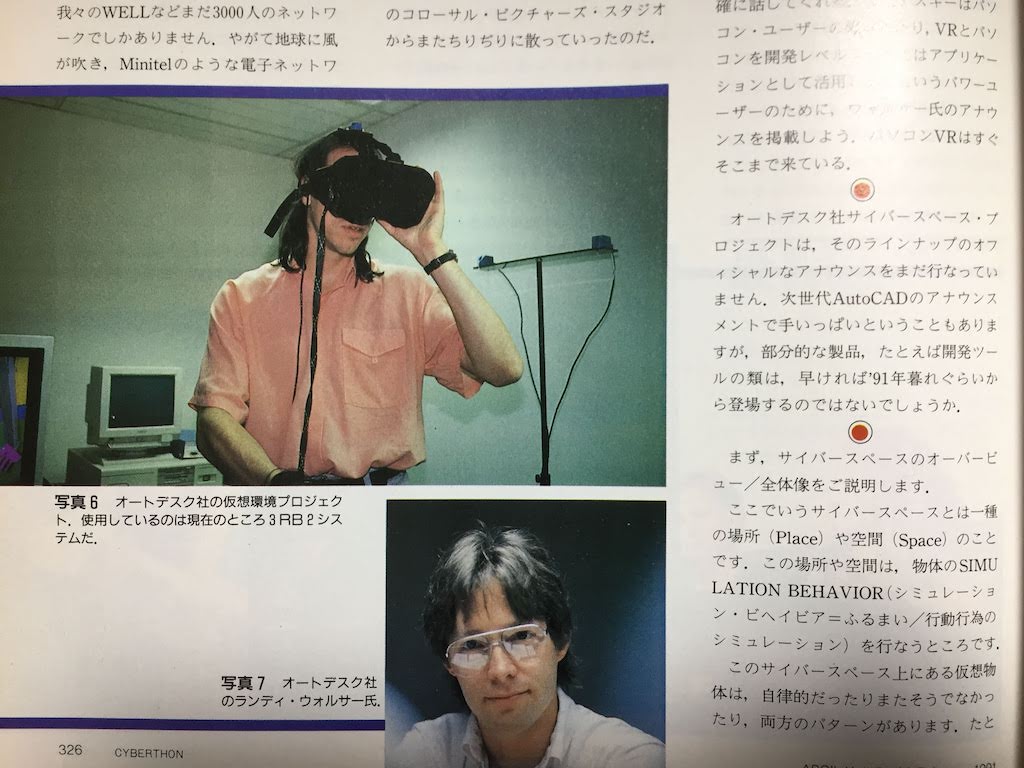
Autodesk's VR system was unveiled at the CAD Convention on June 7, 1989—the same "VR Day" as VPL Research's Texpo 89 [5][6]. Like VPL Research, Autodesk also showcased a system under development at Cyberthon in 1990 [3][4][5][6].
1988: Cyberia Project
John Walker, Autodesk’s president at the time and a programmer himself, wrote “Through the Looking Glass: Beyond User Interfaces” [13]. That essay helped set the Cyberia project in motion in 1988. Following the broad approach behind AutoCAD, the company aimed to bring workstation-based VR to the PC market [5][6][7].
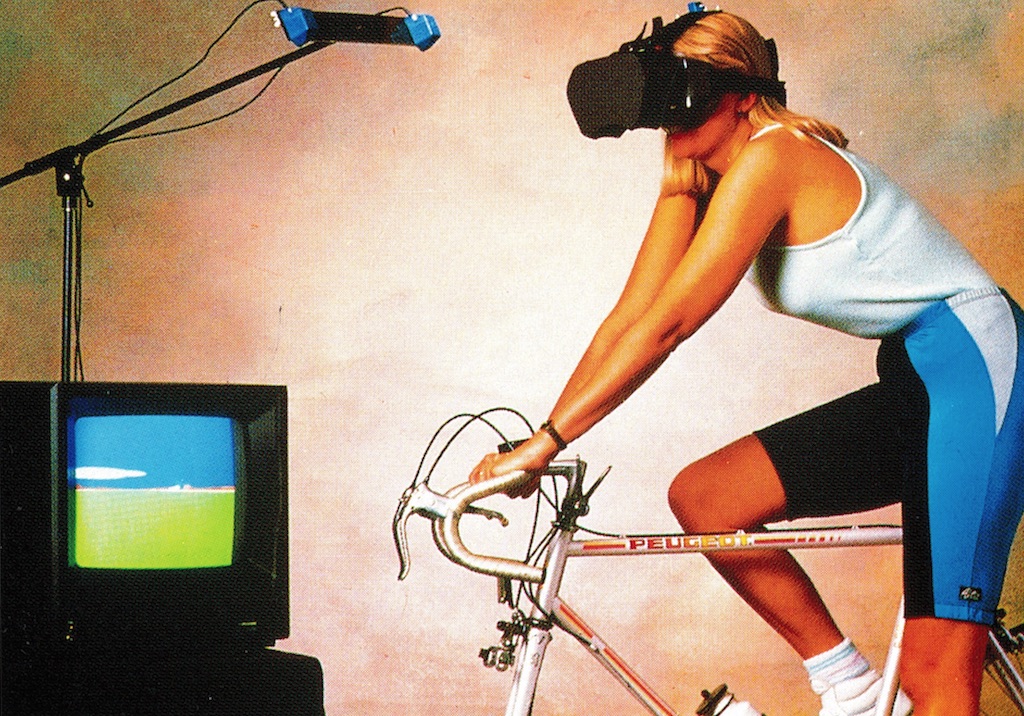
The photograph [9] shows the “High Cycle” demo often featured at the time. Accounts describe the rider taking off into the air once the speed passed 20 miles per hour [6]. Its display had reasonable resolution. Given when it was developed, I suspect it used an IRIS or a PC/AT system with an i860 board [1][4][5][6]. Texture mapping was not yet implemented, and it still looked like work in progress.
Behind the public demonstrations, the project appears to have been in difficulty. Members began leaving around 1989, and development reportedly stalled in 1990, even while demonstrations continued [5][6][7].
While VPL Research handled hardware development and suggested software support for both high-end and low-end markets, Autodesk was skeptical of the strategy of developing both hardware and software [4]. Anticipating a time when VR hardware would become cheaper, they focused on developing VR software for low-end PCs based on the concept of a "Briefcase Cyberspace" [5][6][13].
1993: Cyberspace Developer Toolkit
Cyberia had started early, in 1988, but disagreements about direction and the departure of key people delayed a commercial product [7]. Rumors circulated around 1991 [7]; by the time the Cyberspace Developer Toolkit (CTK) appeared in 1993 [40], it seemed to me to have missed its opportunity [14].
CTK was a C++ library based on a DOS extender for PC/AT-compatible systems. It was a product that supported the major VR devices of the time and the then-state-of-the-art i860-based Fire board from SPEA [15], but it felt like it had missed its moment, and I did not hear of it being sold by Autodesk Japan.
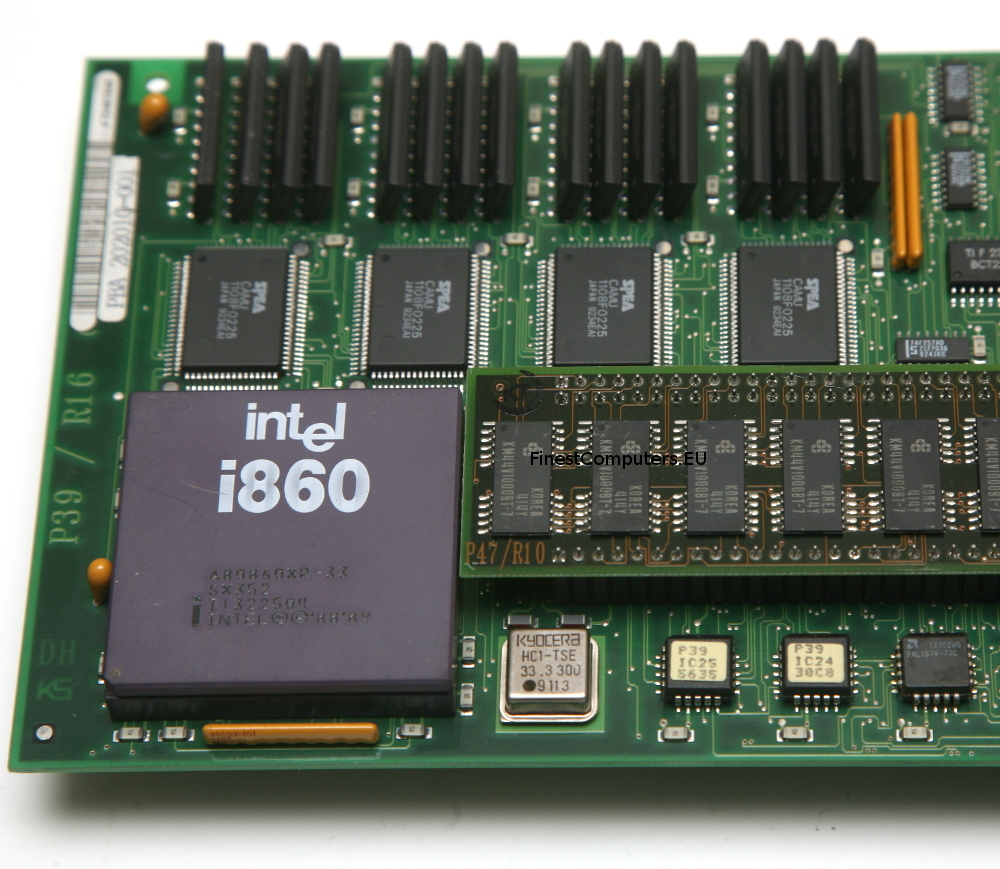
Incidentally, SPEA was a major high-end graphics card manufacturer before NVIDIA and ATI took over the market, and this board became the source of the Fire series later sold by Diamond Multimedia and ATI [52][53].
Its supported model formats came from AutoCAD and 3D Studio. Those tools cost close to ¥1 million at the time—perhaps unsurprisingly—and may have been prohibitively expensive for individual developers outside companies or research institutions.
In any case, it was a release of the DOS extender version at a time when the Windows world was on the verge of standardizing 3D APIs like OpenGL and Direct3D, and 3D spatial formats like VRML (Virtual Reality Modeling Language) [26]. Unfortunately, I did not personally see a functioning system or the physical SDK for CTK.
SENSE8
SENSE8 was a VR venture founded as a spin-out by Eric Gullichsen and Patrice Gelband, who were initial members of Autodesk's Cyberia project [4][7]. Like VPL Research and Autodesk, SENSE8 also showcased a system under development at Cyberthon in 1990 [3][4].
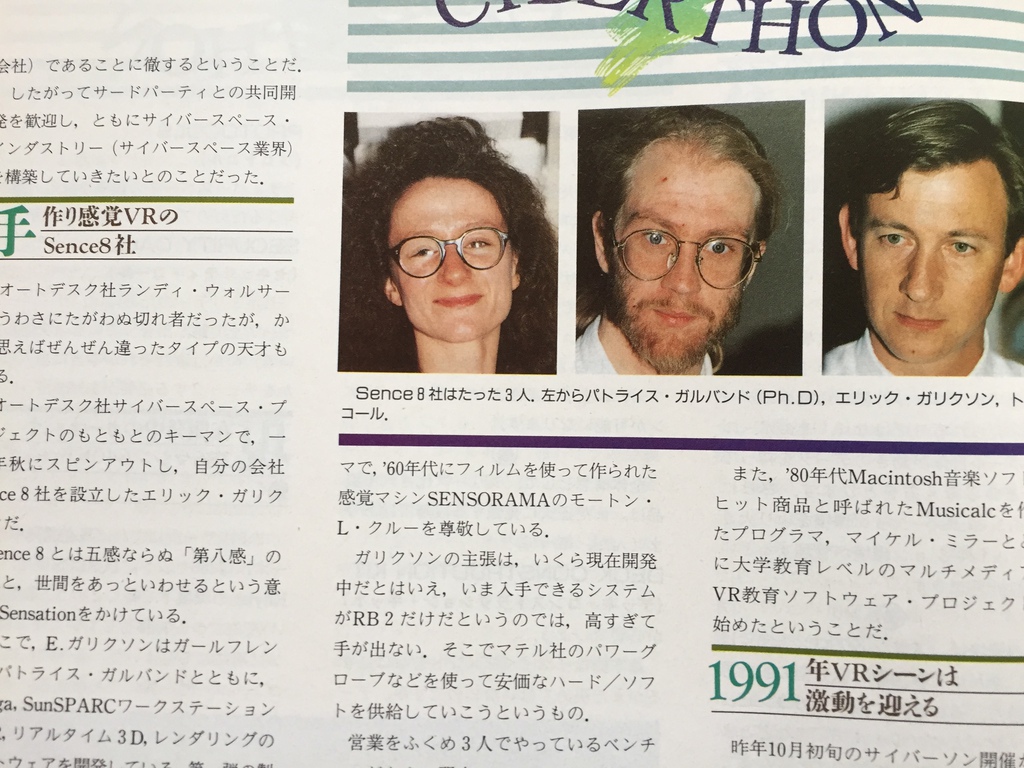
Basically, they followed the path of Autodesk's Cyberia and specialized in providing software, but in 1991, ahead of Autodesk, they began actively developing not only for PC/AT (DOS extender version) but also for workstations such as IRIX (GL/OpenGL version) and Sun (SunOS/Solaris version).
1990: Establishment of SENSE8
Although the Cyberia project at Autodesk was organized early in 1988, members began leaving one after another starting in 1989 due to arguments over project policy, and the atmosphere where no decision on commercialization was made in the research phase exhausted the patience of key members Eric Gullichsen and Patrice Gelband, who also resigned. While the Cyberia project continued on the surface and demonstrations were held [5][6][7], substantial development seems to have ceased in 1990 [7].
Drawing on their Autodesk experience, Eric and Patrice spent four months building an object-oriented 3D simulation language from scratch, reportedly working fourteen hours a day [7]. Their early prototype used two Amigas and a homemade HMD built from two Sony Watchman televisions [7].
With this prototype development as a catalyst, they quickly received development support from Sun and Intel [4][6][7], and steadily advanced the development of their VR SDK. Technically, the joining of Intel engineers, especially for the realization of low-end VR systems, was a major success factor [12][7].
1991: World ToolKit
In 1991, a year after leaving Autodesk, they released World ToolKit (WTK) for PC/AT-compatible systems using a DOS extender. It reached the PC VR market ahead of Autodesk [33].
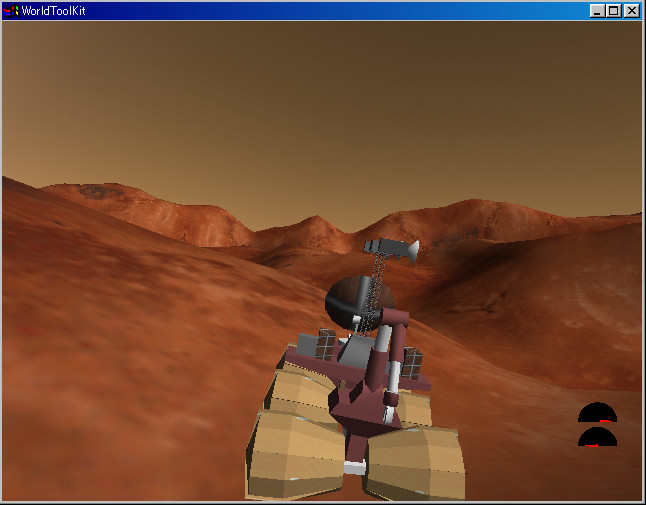
World ToolKit became one of the most successful commercial VR SDKs associated with the “Reality Engine Builders.” Its applications included NASA’s Mars Pathfinder mission [46][43][7][32][42]. The screenshot below shows a NASA Mars Rover WTK demo running on Windows 98 SE.
Early products required an ActionMedia Board II [16] equipped with Intel's i750 (82750PB + 82750DB) processor, and they released a system capable of realizing texture mapping even on a PC base. Intel also sold PC/AT-compatible systems at the time, and i486 chips were still expensive, with the Intel 403E (i486DX-33MHz/EISA/8MB/150MB HDD) costing around 1.5 million yen, and stereoscopic 750 boards costing 1 million yen for two. Hard drives were still in the 5-inch era and quite massive.
The board shown below is the ActionMedia Board II [54] that was listed on eBay; development required an SDK (which cost over 1 million yen at the time) [16]. The World ToolKit displayed at the aforementioned ICAT 1991 also used two of these i750 ActionMedia Board IIs [16] to showcase a stereoscopic demo using an HMD (Flight Helmet).
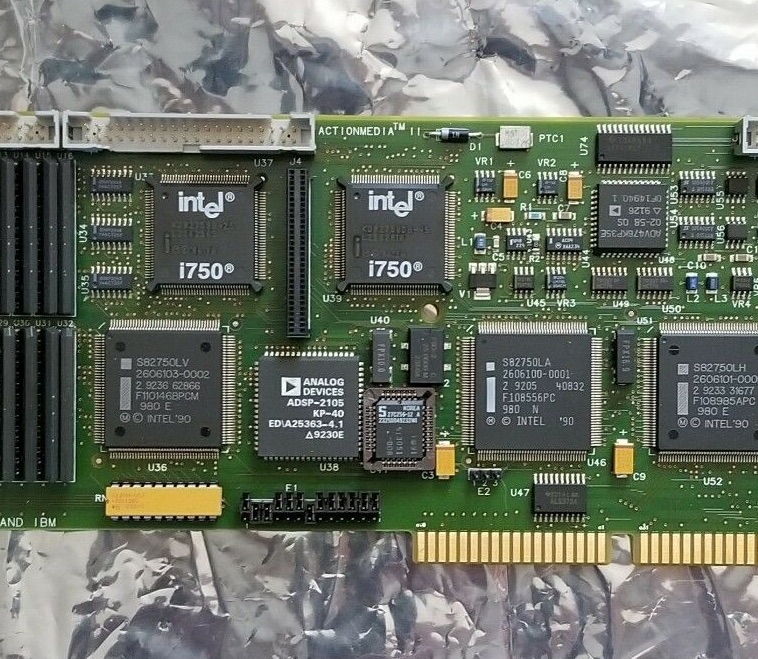
Generally, the i750 was a processor for the DVI (Digital Video Interactive) field of video compression and decompression [16], but by modifying the microcode loaded into the instruction RAM, it achieved high-speed polygon rendering and texture mapping.
The i750 also pointed toward ideas that later became familiar in multimedia and SIMD processing, including MMX and SSE (Streaming SIMD Extensions). In Intel’s “Micro 2000” vision, I remember a four-part processor configuration with one part providing i750-like functions. Multicore and SIMD designs are familiar now; at the time, the proposal struck me as novel, and I wondered whether it would really happen.
What is World ToolKit?
In contrast to VPL Research's BE (Body Electric), a data-flow visual language, WTK (World ToolKit) is a C-language VR application development library. Incidentally, the Windows 3.1 version of WTK was provided as the common software for the student contest at IVRC (Inter-collegiate Virtual Reality Contest) [59] held at the first Industrial Virtual Reality Expo (IVR) [59] in 1993, which continues to this day.
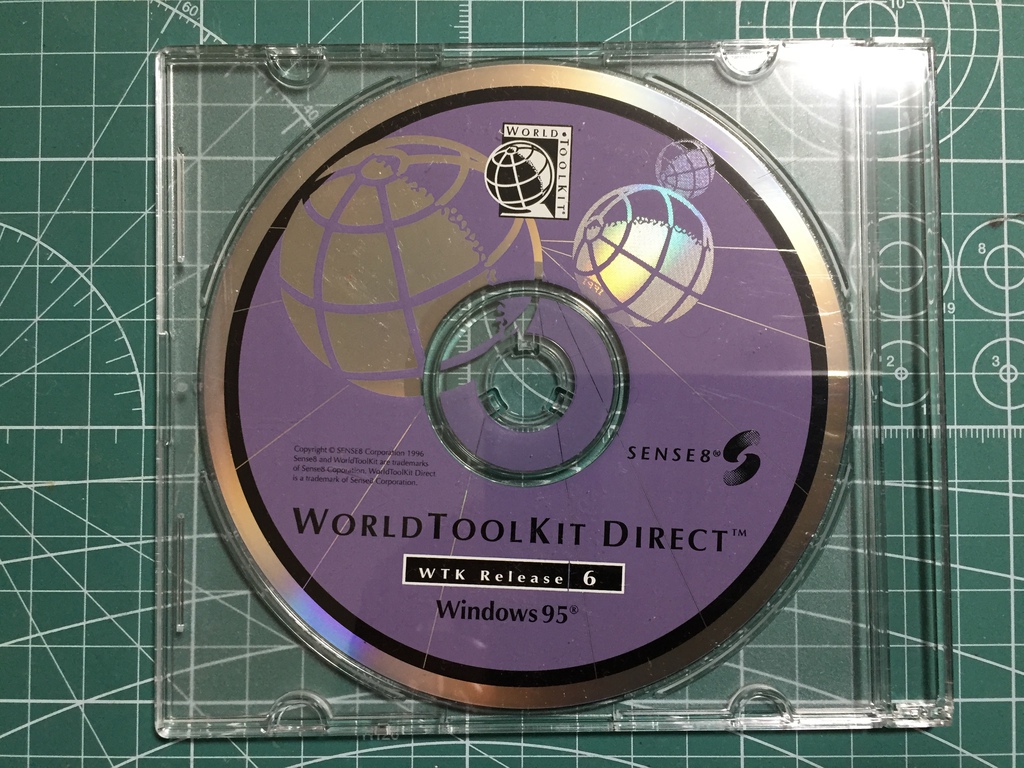
WTK was written for C, but its design was object-oriented. Its 3D mathematics used quaternions, which were much less familiar to me then than they are now.
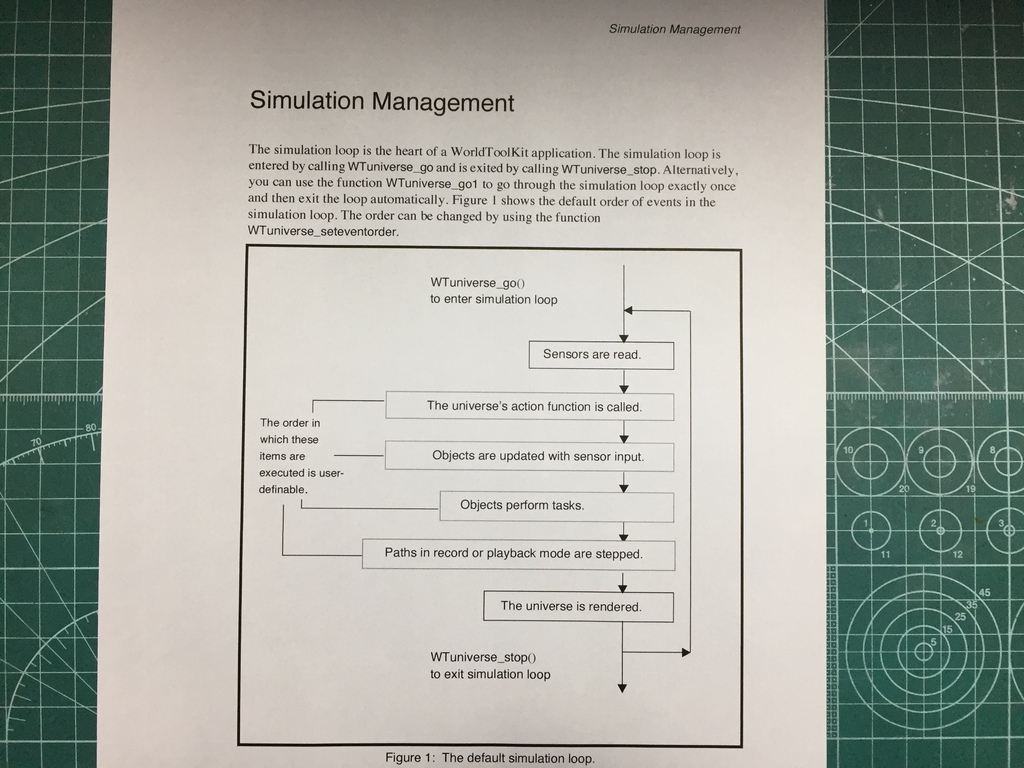
The following is the basic simulation loop of WTK; basically, VR applications are built by registering handlers called action functions that are called for sensor information updates and each simulation step.
Microsoft’s MFC (Microsoft Foundation Class) already used object-oriented programming, but the approach was not yet mainstream everywhere. WTK’s object-oriented design in C made a strong impression on me.
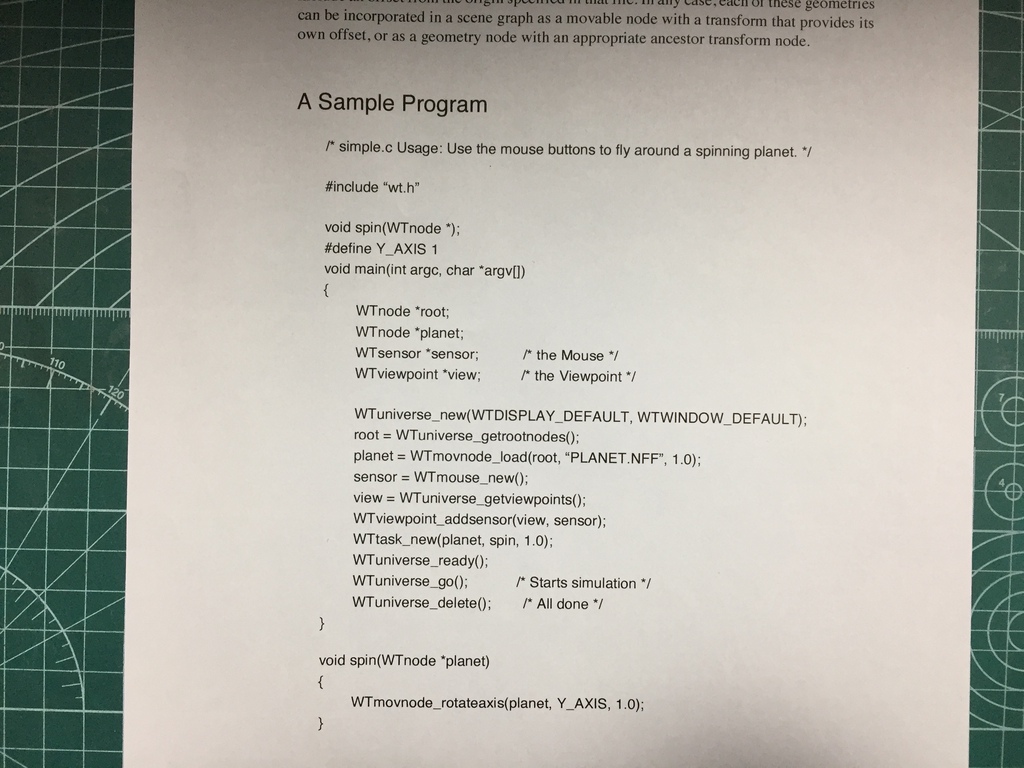
Below is a simple sample from the WTK tutorial, where mouse movement is connected to the viewpoint, and a spin function (to rotate) is set as a task for the object. It's a simple piece of code, but with this, you can walk through a virtual space containing a rotating planet object (PLANET.NFF) using the mouse.
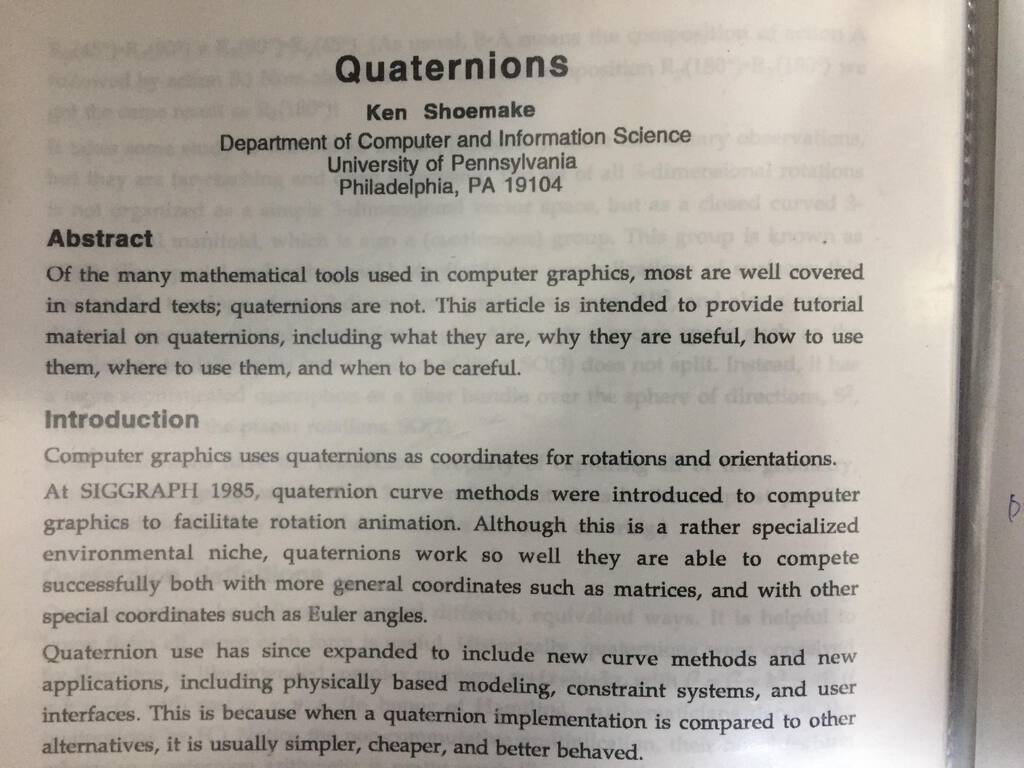
Quaternions were not commonly explained in Japanese books and magazines, at least in my experience. I remember Patrice, who handled the mathematical side of WIK at SENSE8 [7], sending me SIGGRAPH papers by fax [17][18].
WTK supported multiple platforms, and its portability, allowing the same source code to run on IRIX and PC/AT-compatible systems, was also a strength. SENSE8's DOS extender version supported the SPEA Fire board [15] like CTK, and later it steadily upgraded to support standard 3D graphics such as OpenGL on Windows NT and Direct3D on Windows 95.
Ultimately, it was acquired by EAI (Engineering Animation Inc) in 1998, having expanded to a wide variety of platforms not only including major platforms like DOS (Extender), IRIX (GL/OpenGL), Windows 9x (Direct3D), and Windows NT (OpenGL), but also rarer ones such as HP-UX and (in Japan) Kubota's Titan.
Consumer VR
Around 1991, when "Jinkō Genjitsukan no Sekai [1]" was published, low-end VR devices were released in the consumer market, starting with the Power Glove.
From 1995 onward, Virtual IO’s i-glasses were followed by HMDs from several manufacturers, including Sony’s Glasstron and Olympus’s Eye-Trek. In Japan, it felt like a second HMD boom—if that is the right term. Here I focus on the earlier wave of consumer devices.
Head-mounted Displays
Most HMDs released during the dawn of the 1990s were priced around 1 million yen and contained two liquid crystal displays for stereoscopic viewing. This was also an era when the CrystalEyes by StereoGraphics, which used liquid crystal shutter technology, cost around 300,000 yen.
Consumer devices for game consoles took a different route, using lower-cost liquid-crystal shutters. Their stereoscopic principle was the same basic one used by StereoGraphics’ CrystalEyes and later 3D televisions [19][20].
Incidentally, as was the case with NASA and VPL's early HMDs [6][12], the HMDs sold by VR ventures at that time were produced by disassembling Japanese LCD televisions. I myself was asked by a representative of a VR venture (Virtual Research) to specify the model numbers of Japanese LCD TVs, and I made several trips to Akihabara to procure them.
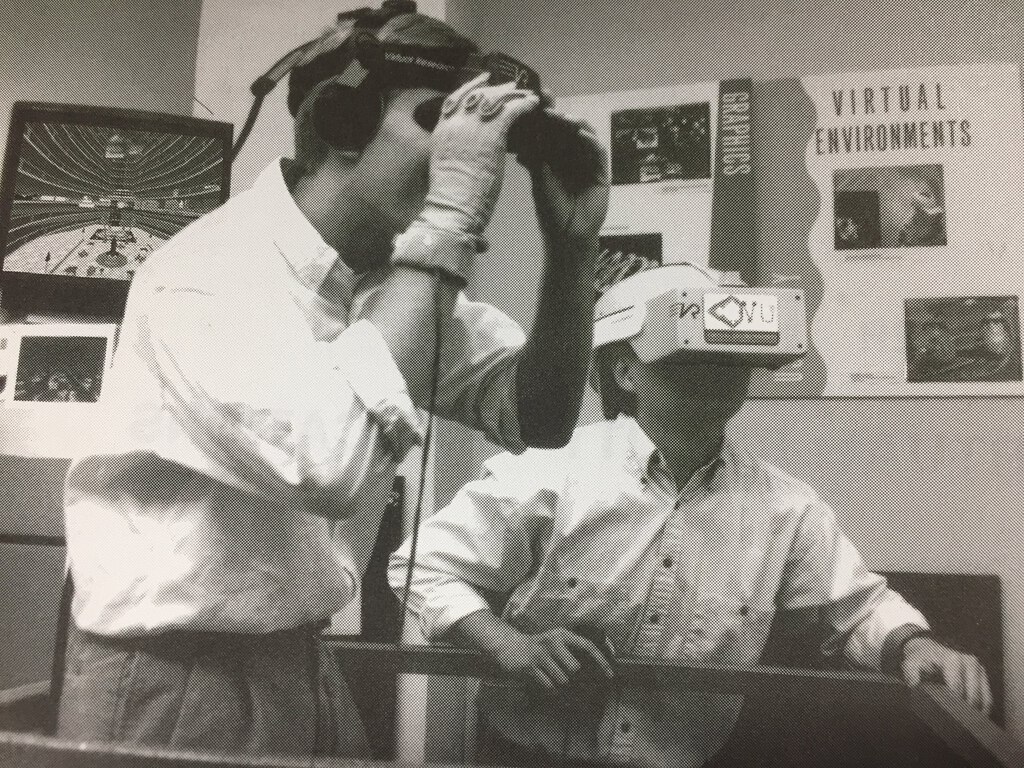
The HMD on the right in the photo is Virtual Research's first HMD (Flight Helmet) based on a color LCD, while the HMD on the left is a monochrome LCD-based unit converted to full color using a (3-primary color) color wheel (V3?).
Famicom 3D System
Nintendo sold the Famicom 3D System, a shutter-glasses accessory [22]. The text of my original account dates its release to 1987 and describes it as a short-lived commercial product [23]. It alternated left- and right-eye images on an ordinary NTSC display, which may have made fast-moving games difficult compared with CrystalEyes systems operating at twice the vertical frequency. I still saw units in shops in the 1990s and bought one from a clearance bin for about ¥5,000.
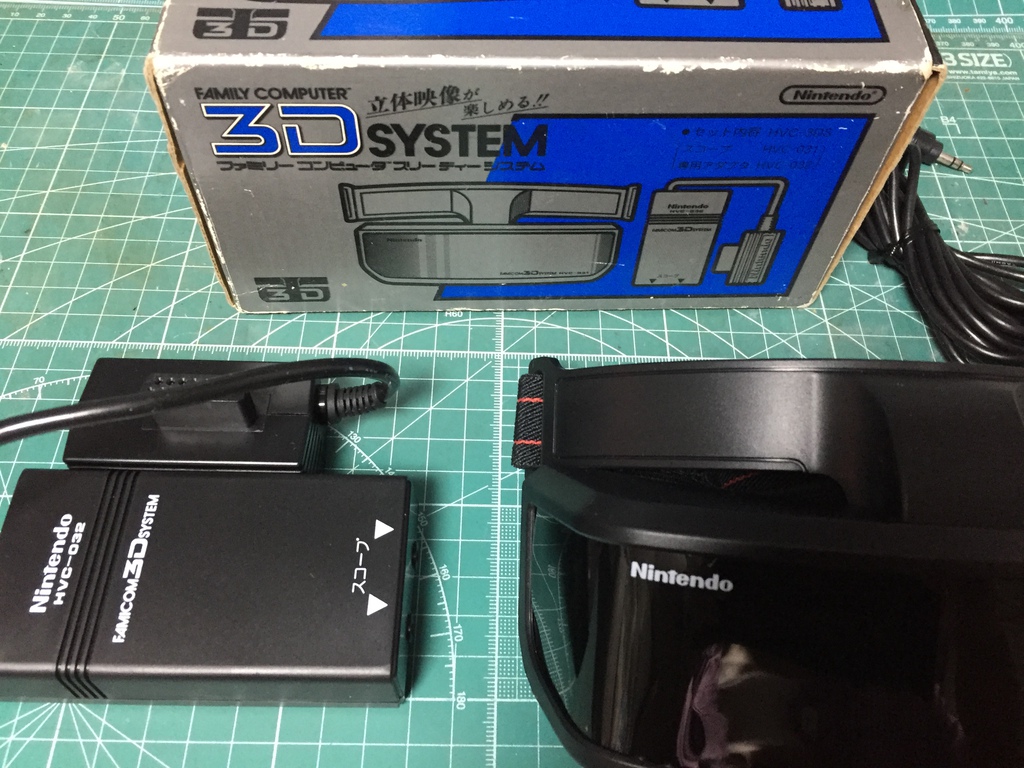
Although I bought it, there was no technical documentation, and I tried to see if it could be driven by the joystick (ATARI) port of an FM-TOWNS, but while the liquid crystal shutter responded somehow, it did not lead to stable operation. Incidentally, using it was successful on the X68000 during the same period [23], but I didn't know that at the time (it was 12V driven in the first place).
1993: SEGA VR
It seems that "SegaScope 3-D" was sold in Japan at the same time as Nintendo's [24]. Personally, I remember seeing a demo of 3D Space Harrier in stores, but at the time, I mistook it for Nintendo's. However, I was a Mark III user at the time, and I suspect the distribution of the Master System and this HMD in Japan was quite low.
Later, SEGA VR [11] was announced at CES in 1993, but it was never released [25]. I didn't know at the time that the patents of Mark Pesce [26], who made achievements in VRML, were involved in the background of the emergence of SEGA VR [25].
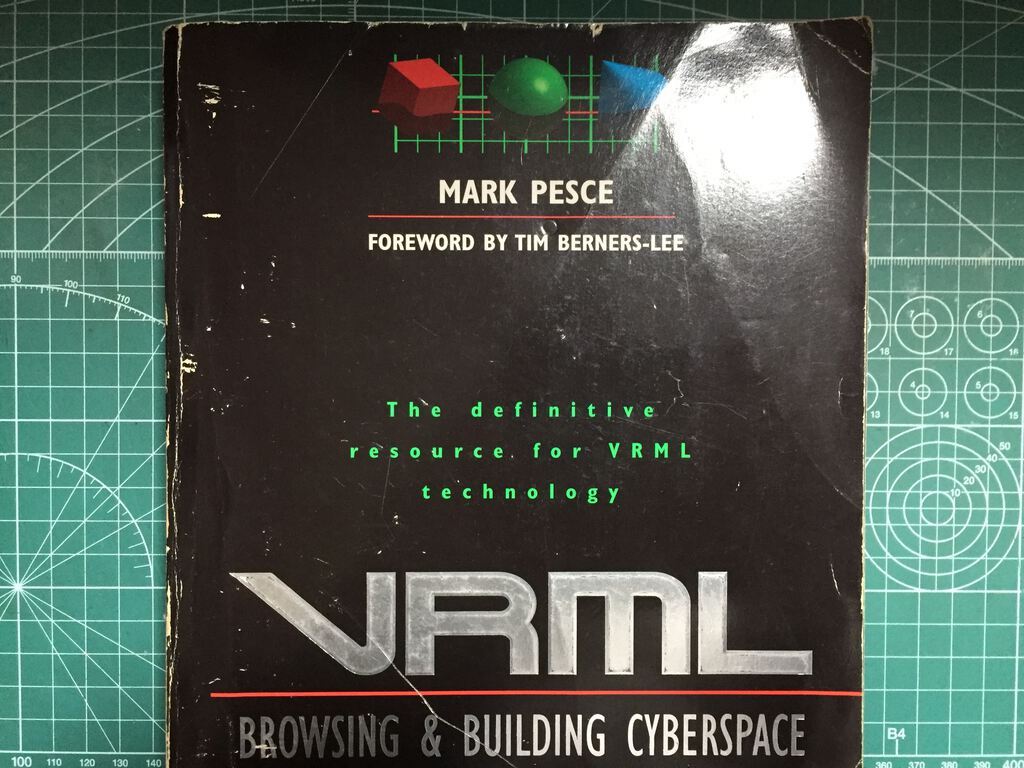
At that time, low-cost gyro sensors were not widespread, and the cost reduction of existing magnetic or ultrasonic sensors was a challenge for the spread of VR (head tracking).
1993: VictorMaxx StuntMaster
Although SEGA VR never reached the market, third-party HMDs existed for the Mega Drive. I personally imported VictorMaxx’s StuntMaster for around $200. It was a mono system, and its display resolution was so low that I found it unsuitable for VR and barely usable for games. I seem to have thrown it away, but seeing the packaging again brings back memories [56][58].
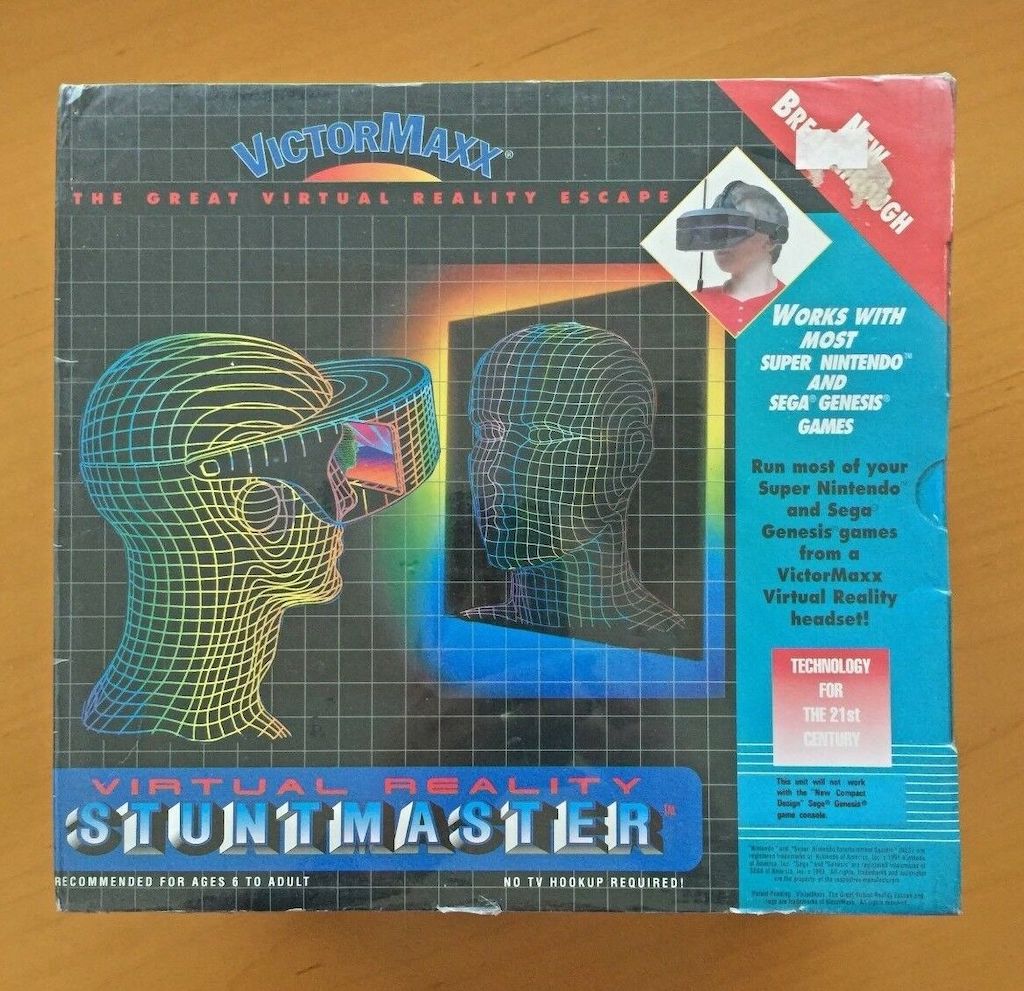
Commercial HMDs of the period offered resolutions around 360 × 240. The StuntMaster magnified a much lower-resolution LCD through lenses, producing a poor image even by consumer standards. As a SEGA enthusiast, I had high expectations, but games such as Street Fighter and Altered Beast were barely playable. Looking back, it also had simple mechanical head tracking, with a rod at the side of the head. Perhaps it used a patent related to the one behind SEGA VR; I cannot be certain.
Gloves
Starting with the VPL Research DataGlove, gloves were a symbolic device of the VR dawn period. As for products, around the time VPL Research went bankrupt, the CyberGlove, introduced in the book "Jinkō Genjitsukan no Sekai" [1], began to be supplied at a lower price (though it was still in the 1 million yen range), and in the consumer world, despite having digital accuracy, it was also an era when the Power Glove was supplied at a low price.
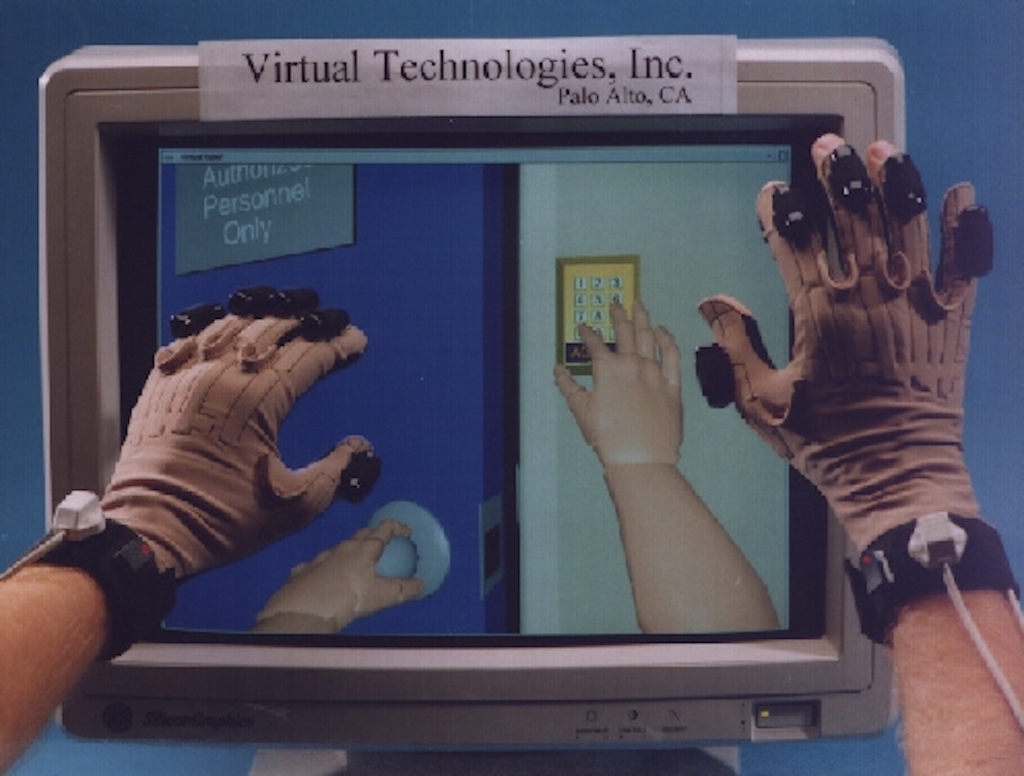
I was surprised, when writing the original essay, to find CyberGlove devices still being offered under a changed company name. Compared with the rapid changes in HMDs, their basic structure seemed remarkably persistent—rather like a living fossil. Early units communicated over RS-232C. I wrote my own Windows and IRIX drivers, perhaps because the separately sold software was expensive [60].
1990: Power Glove
The Power Glove was a joint project between the aforementioned VPL Research and Mattel, and was sold in the United States in 1989. Mattel reportedly shipped more than one million Power Gloves [6].
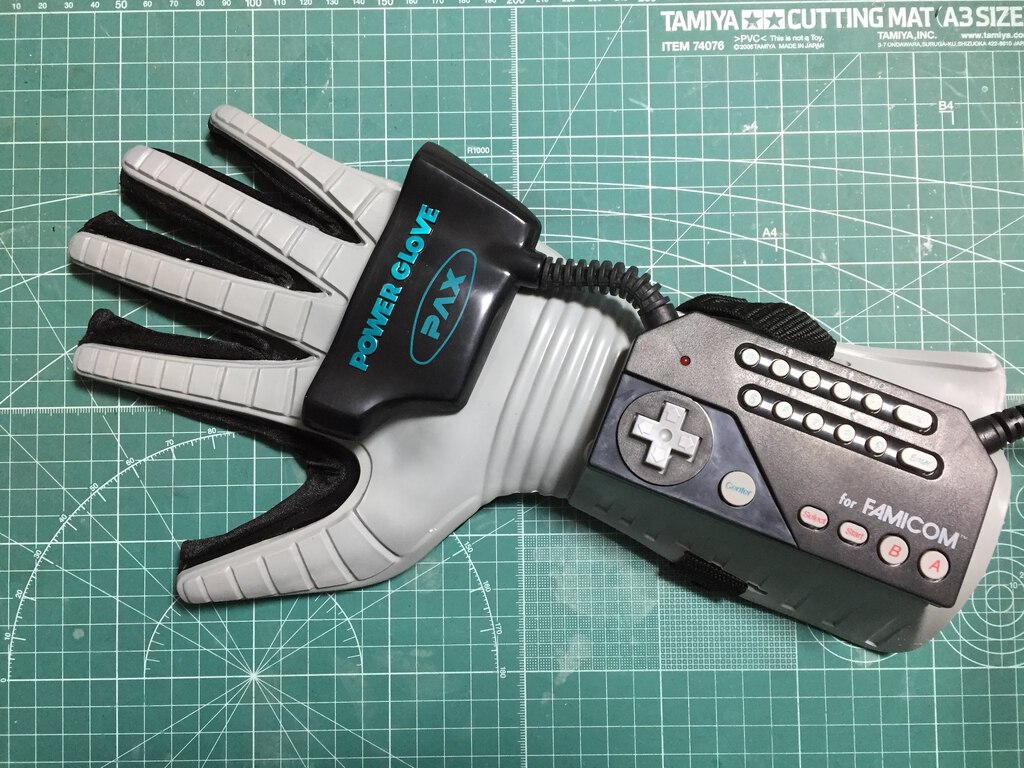
In Japan, it was sold on a large scale by PAX starting the following year, 1990. As in the United States, I would not call it a commercial success. PAX also went bankrupt, but large quantities had already reached the Japanese market.
1990?: Nikkei Byte Article
Although I seem to have lost the article mentioned in the title, a technical article on the Power Glove published in BYTE magazine in 1990 [27] was also featured in Nikkei Byte magazine, with which it had a partnership. By the time it was published in Nikkei Byte, PAX had already gone bankrupt, but the Power Glove was still being dumped at bargain prices in Akihabara when this article was published.
After that, the dumping of the Power Glove did not stop, and I was surprised to find it being sold for around 980 yen even at a local retail store, a situation that continued for a while.
The article below was published in PCVR [28] magazine, but the connection is the same. For 5V power, it was convenient to get it from the PS/2 port for PC/ATs, and the article in Byte magazine had such a connection diagram.
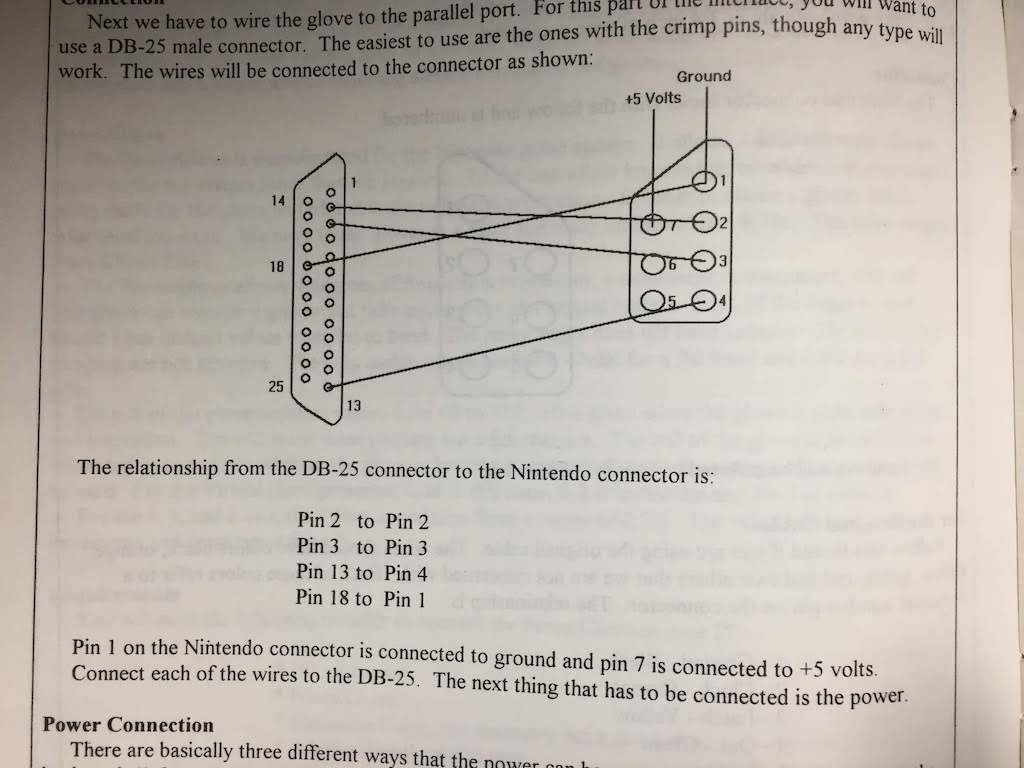
The Nikkei Byte article was concise, but wiring the glove as described and accessing the PC/AT ports did not work for me. At first, I could not tell whether the problem was hardware or software. I eventually confirmed that it worked with REND386 [31][32], a PC-based VR system with glove support, and could continue.
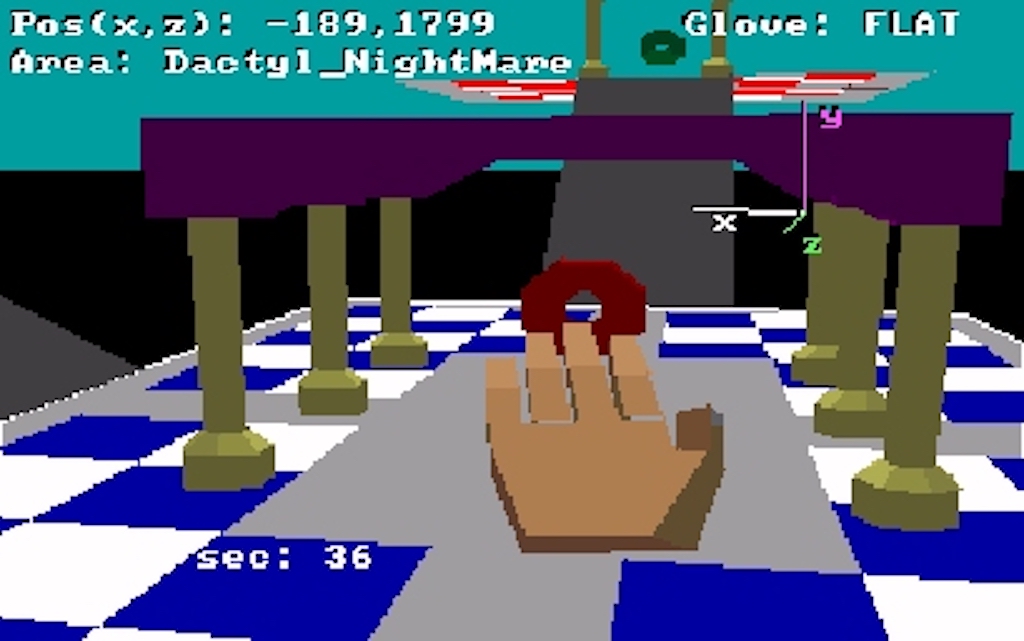
Regarding the ultrasonic sensors, they could not be compared in terms of accuracy to magnetic sensors like Polhemus, or even other ultrasonic 3D head trackers like Logitech's, and they could barely distinguish movement up, down, left, and right digitally.
I also bought a Famicom game—I think it was Punch-Out!!—after hearing that it supported the glove. The Japanese version did not, so that purchase felt rather like a practical joke on me.
Workstation VR
In the 1990s, there was a category of computers called workstations. In the VR world, the SGI IRIS workstation was the overwhelming presence in terms of 3D graphics performance, and VPL Research’s pioneering commercial RB2 system ran on the IRIS/4D.
SGI IRIS (IRIX)
The 1993 Onyx/RE2 (Reality Engine 2) represented the high point of SGI workstations for me. As a successor to the Power series, the realistic system configuration started from around 50 million yen, making it closer to a supercomputer than a workstation in terms of price range. However, along with the lower-series Crimson/RE, it was the premier hardware that people in the VR industry wanted to purchase if budget allowed.
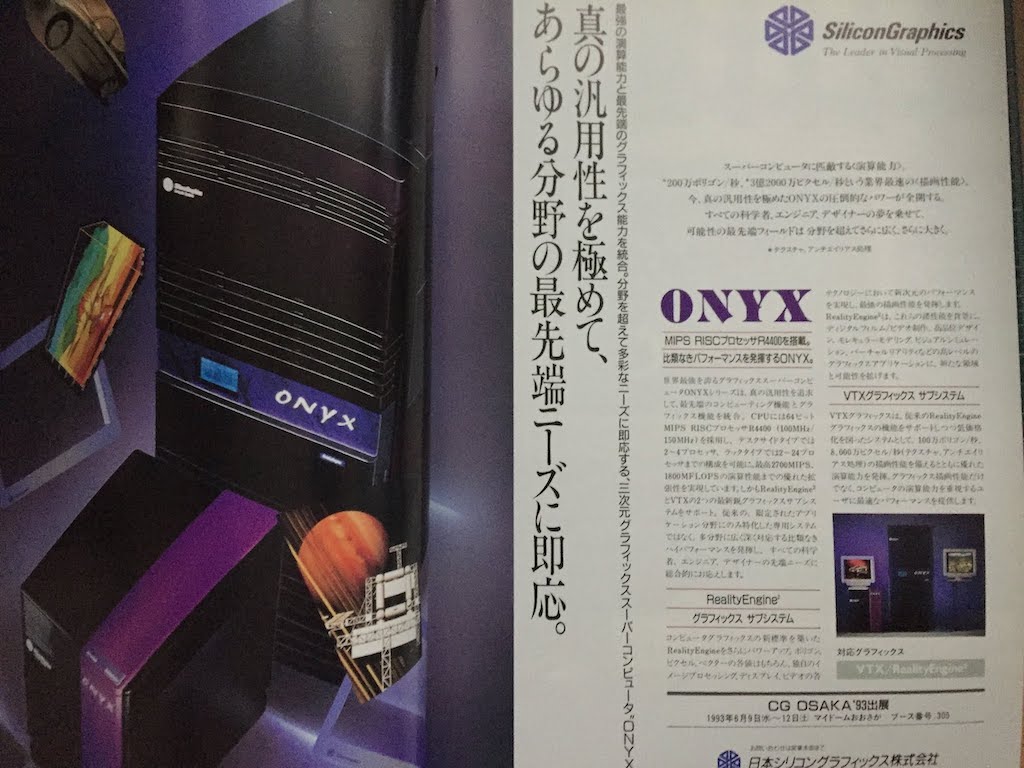
The RE2 graphics subsystem offered hardware Z-buffering, real-time texture mapping and antialiasing, and stood at the high end of the IRIS range.
The RE2 adopted the i860 processor as the geometry engine. While the i860 processor was a single unit in PC/VR 3D graphics boards, the RE boasted overwhelming performance with an 8-processor configuration for the RE and 12 for the RE2 [47].
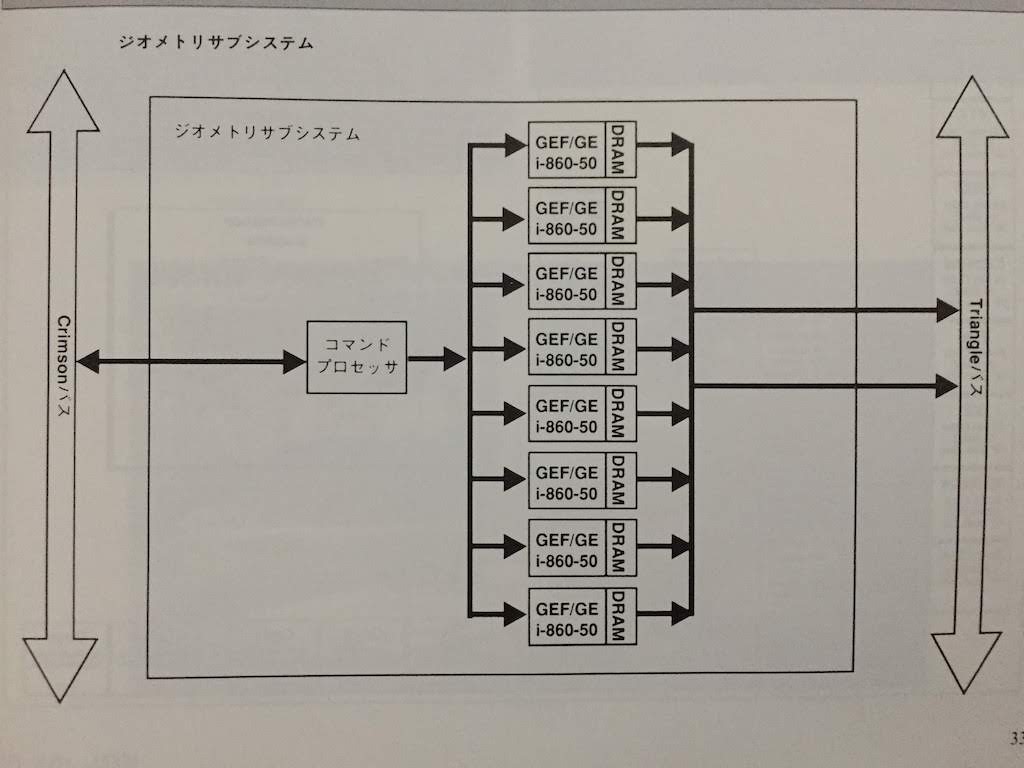
Naturally, the Onyx/RE2 was not something that could be introduced easily due to its price, so I mainly programmed on the entry-class Indigo. Even then, the system configuration including graphics was in the 8 million yen range, and it was necessary to wait for the appearance of the Indigo2's Extreme board to enable texture mapping.
For me, Onyx/RE2 marked the high point of the SGI/IRIS era. As Windows NT emerged as an OpenGL platform, dedicated workstations lost much of their advantage. SGI tried lower-priced products such as Indy and O2, but I no longer found their performance compelling against PCs.
In Japan, lower-priced machines such as Indy were sold in Akihabara shops including T-ZONE, targeting individual buyers. PCs with midrange or better graphics cards had become difficult to compete with: a 3Dlabs GLINT card on Windows NT could offer good value, while an Intergraph GLZ appealed to users seeking higher performance. Buying SGI increasingly felt like a choice for enthusiasts. I tried Indy in shops; the cost reduction was evident, its 3D performance was limited, texture mapping ran in software, and even ordinary OS operations felt slow.
The screen below shows the WTK OpenGL version running on Windows 98SE (Pentium 4 3.06GHz/NVIDIA GeForce FX 5200), and even with the popular-class graphics boards of that time, they already had performance that surpassed the mid-range workstations (Indigo) of the former IRIS class.
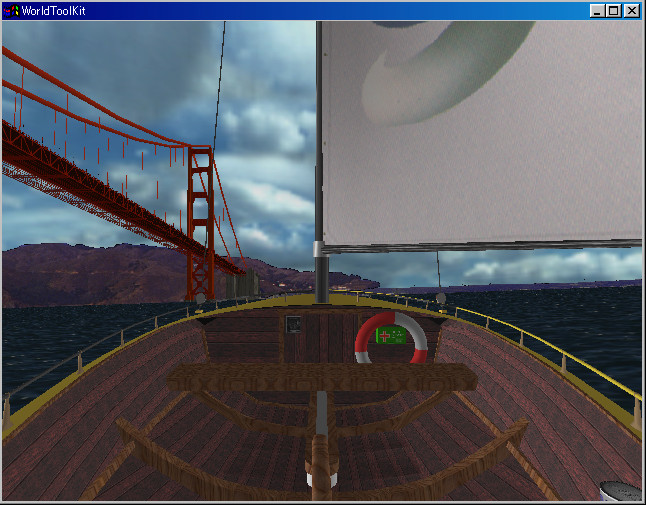
SGI tried to move further into the high-end market, including acquiring Cray Research Inc. It entered bankruptcy in 2006 [49]. Even after restructuring, it did not regain the position it had held in my early experience of 3D workstations. The changing graphics-card industry is also discussed in reference [53].
Sun SPARCstation (SunOS/Solaris)
Sun held a strong position in workstations, but its 3D graphics felt barely functional compared with SGI/IRIS. In my experience, performance was closer to a PC without a 3D accelerator [4].
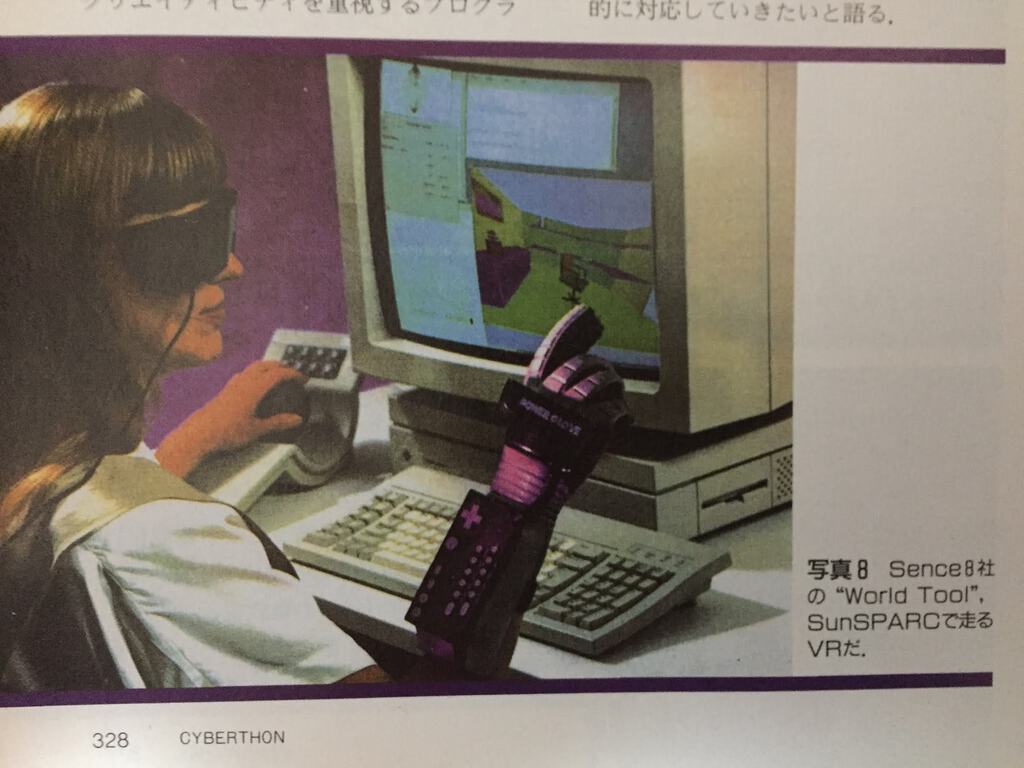
In the 1990s, the Sun workstation had its CPU refreshed to the SPARC processor and the OS to Solaris, bringing a slight change in the situation. As expected, performance did not come out with regular boards such as GX, but in 1993, ZX appeared as a 3D graphics accelerator, and a product with hardware-level 3D acceleration finally appeared.
ZX improved matters, but the gap with SGI/IRIS remained large. It supported a hardware Z-buffer, yet was limited to flat shading and lacked texture mapping. The eBay photograph below [55] shows the calculation chips; their markings suggest a Fujitsu design.
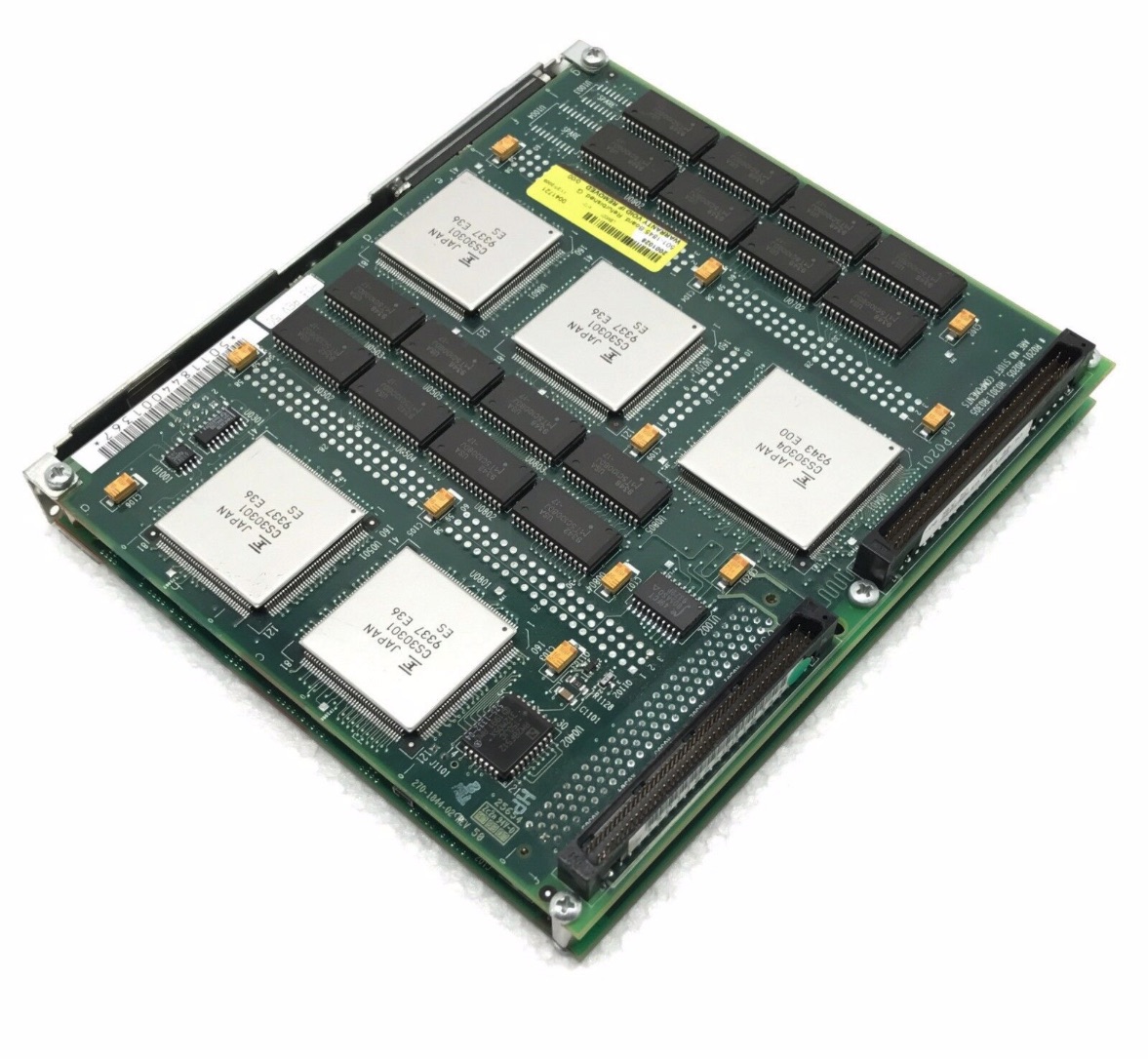
Sun acquired VPL’s patents in 1999. Yet Sun itself could not escape the growing pressure from PC performance, and Oracle acquired it in 2010 [50].
Sun technology continued under Oracle, but reports of layoffs among Solaris staff [51] made it difficult, when I wrote the original essay, to be optimistic about its future.
Low-end PC VR
Around 1991, when the "World of Artificial Reality" was published, the situation for PCs was that 3D hardware and 3D API specifications were not yet standardized, leaving a transitional niche where various VR ventures aimed to commercialize low-end VR systems.
Real-time 3D graphics were a prerequisite for VR. Producing them on PCs without the mature 3D APIs available on IRIS through GL and OpenGL demanded considerable programming skill [33]. That was a substantial barrier to entry.
The commercial PC-based systems described above paired PC/AT-compatible machines with specialized graphics boards. Here I turn to low-end VR built on ordinary PC graphics.
I will focus on the period up to around 1995, when 3D hardware/APIs were standardized through OpenGL and Direct3D on Windows.
PC/AT (DOS/Windows)
In 1990, the PC/AT had just seen the arrival of the i486 CPU, and the i386 was still the dominant force. DOS was the dominant OS, and even with the i386, it was commonly used as a fast i286 machine in 16-bit mode. As for graphics, the ET4000 was the mainstay in DOS, and S3-900 series was in its prime for Windows, so it was still an era dominated by 2D graphics.
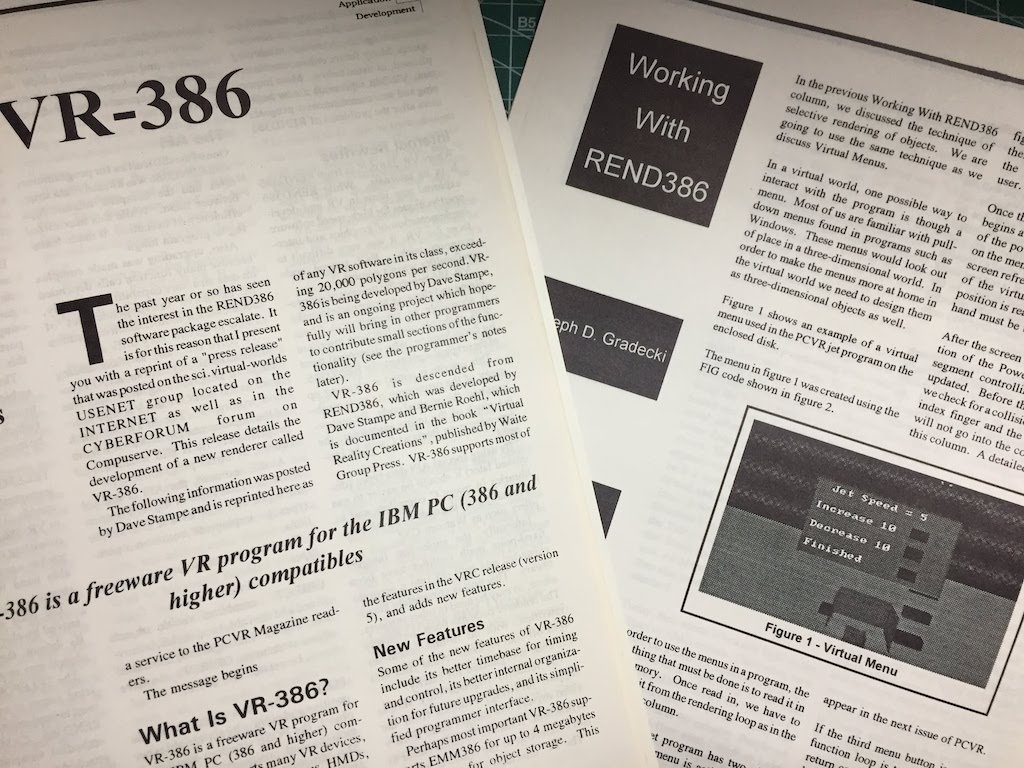
Given this background, low-end VR systems built by individuals based on the PC/AT were centered on the i386 (fixed-point), and those using "Mode X" or "Mode Y," which were high-speed modes for VGA, were the mainstream. For free-based software, REND386 [31][30] and its successor VR-386 [29] were famous, while VREAM [33] and SUPERSCAPE were well-known commercial products.
Even at that time, games featuring texture-mapping-like processing based on Mode X appeared (though the ET4000 was recommended), but for low-end PC VR systems that did not have i750 or i860-based 3D hardware like Autodesk's CDK or SENSE8's WTK, flat shading was the mainstream.
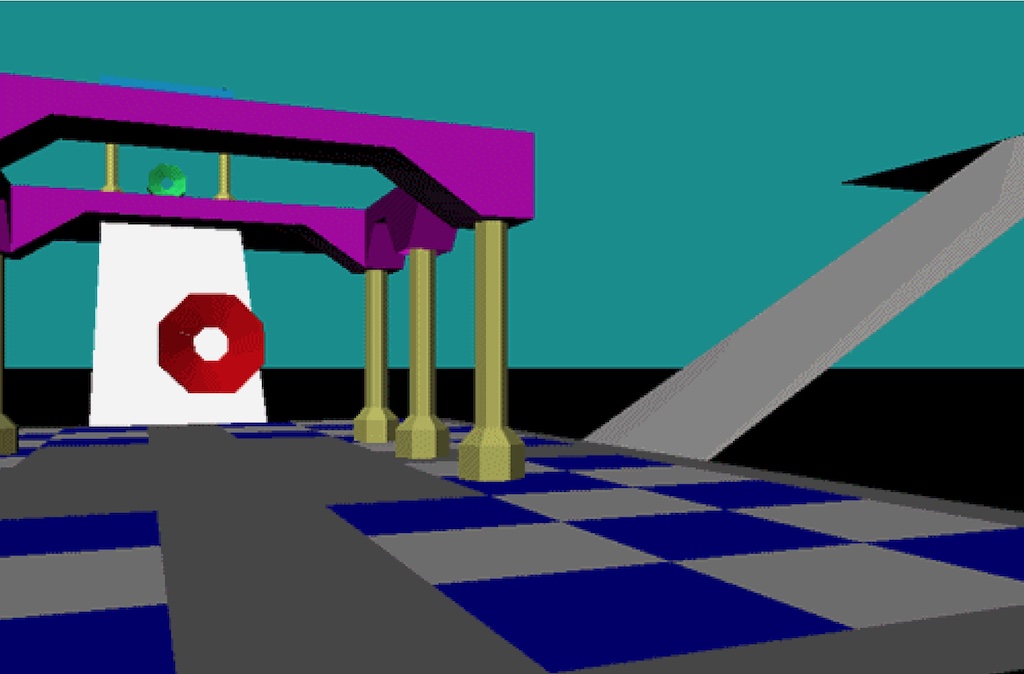
Also, although the drawing was fast, the precision of the matrix calculations based on fixed-point arithmetic was not high. As a result, the viewpoint movement (walkthrough) became jerky, creating a situation similar to when the frame rate drops, and it remained a VR system that never quite left the level of a toy.
Afterwards, OSes like Windows 3.1 and Windows NT gradually became widespread, and graphics board manufacturers began to focus on 2D accelerators for Windows GDI (led by S3) and subsequent 3D accelerators that supported standard APIs like DirectX (led by NVIDIA's RIVA). While there were exceptions like 3dfx's Voodoo, the DOS world gradually came to an end in terms of 3D hardware as well.
DOS extender (32-bit Environment)
Before Windows became widespread, DOS and 16-bit software dominated. Microsoft’s 32-bit Visual C++ for Windows NT arrived in 1993. I looked forward to OpenGL support in Windows NT 3.5, code-named Daytona, but the initial 32-bit Visual C++ was not localized in Japanese. Importing the English edition was necessary, and I do not think it received much attention in Japan.
At the time, on the eve of the appearance of OpenGL on Windows NT and Direct3D on Windows 95, the mainstream for 32-bit development on PC/AT was to use a DOS extender that allowed 16-bit DOS to operate in 32-bit protected mode, along with compatible compilers. Both Autodesk's CDK and SENSE8's WTK, mentioned earlier, released VR systems targeting this environment.
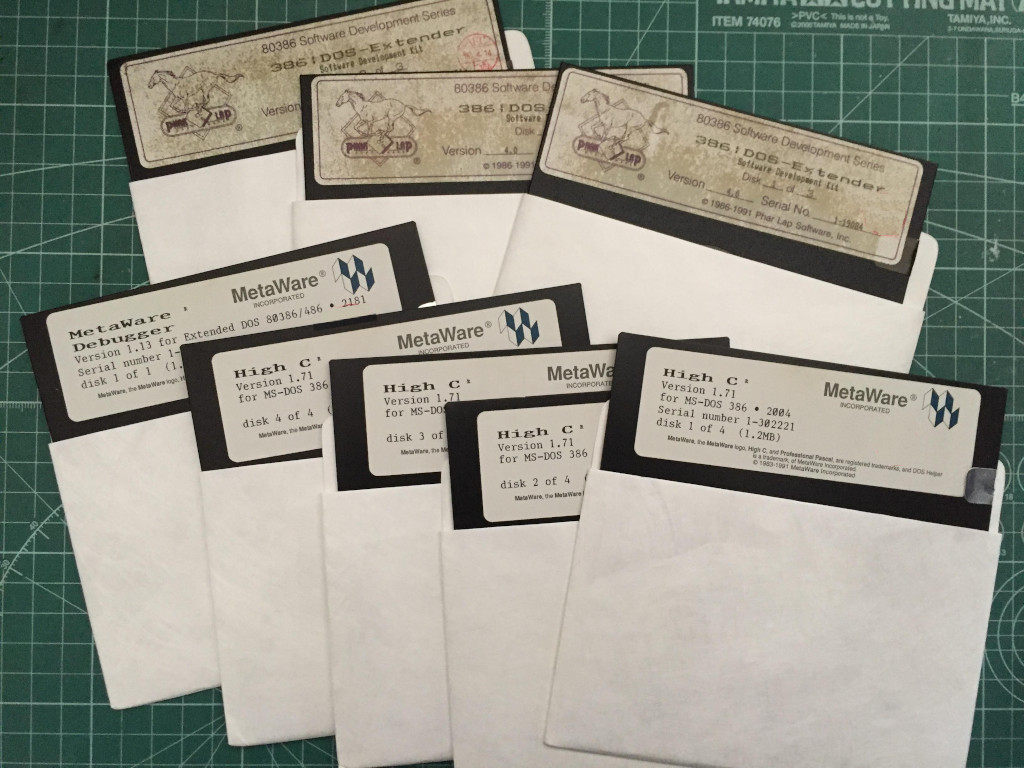
In Japan as well, PharLap's DOS extender/HIGH C compiler was standard for the FM TOWNS, and equivalent compilers like DJGPP for the PC-98 were frequently featured in magazines of the time. As I was a TOWNS user, I purchased HIGH C and 386ASM and was developing a VR library similar to SENSE8's WTK.
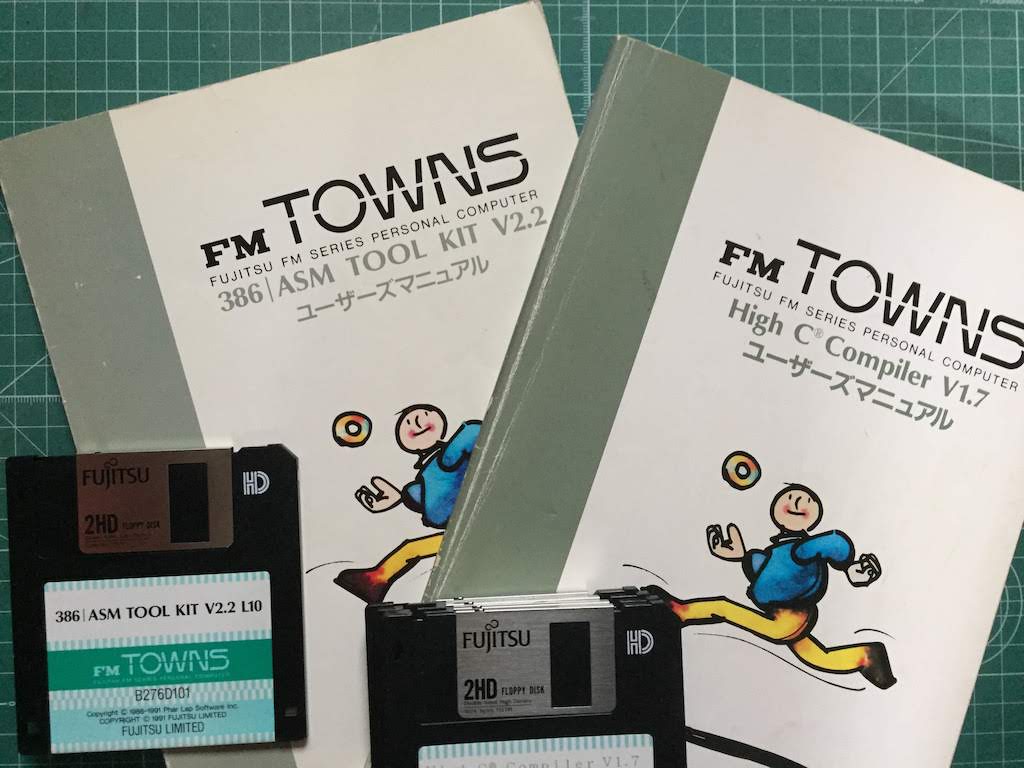
That work became a foundation for my later DIY VR development kit, CyberToolbox [37][38]. I had called the earlier library RenderVR. I initially wrote i386 horizontal-line drawing routines that processed four bytes at a time. Software-emulated floating-point arithmetic was too slow, and I soon bought an i387 expansion board.
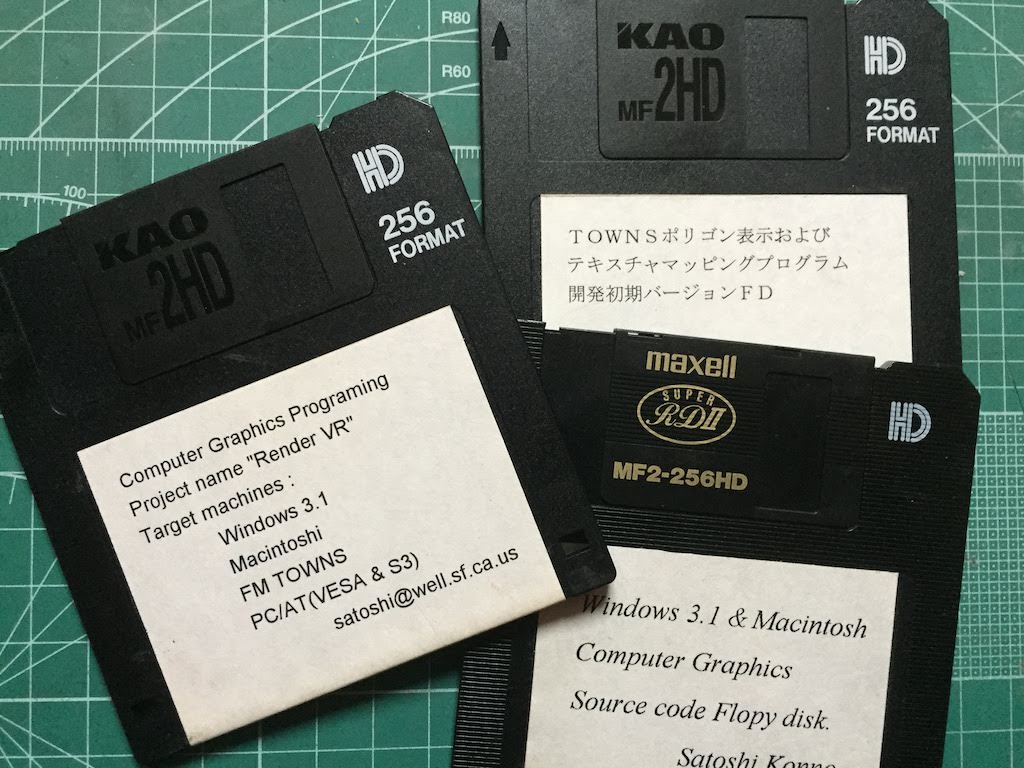
MetaWare’s PC/AT High C did not provide DOS/V-specific BIOS functions. Assembly language was still necessary for tasks such as obtaining Japanese fonts, as well as for optimization.
Windows 3.x - From Intel 3DR to WinG/DirectX
However, from around 1993, there were signs of independent 3D graphics API offerings in the Windows world, and in 1994, Intel began offering its 3DR (3 Dimension Rendering) SDK free of charge for Windows 3.1 [48].
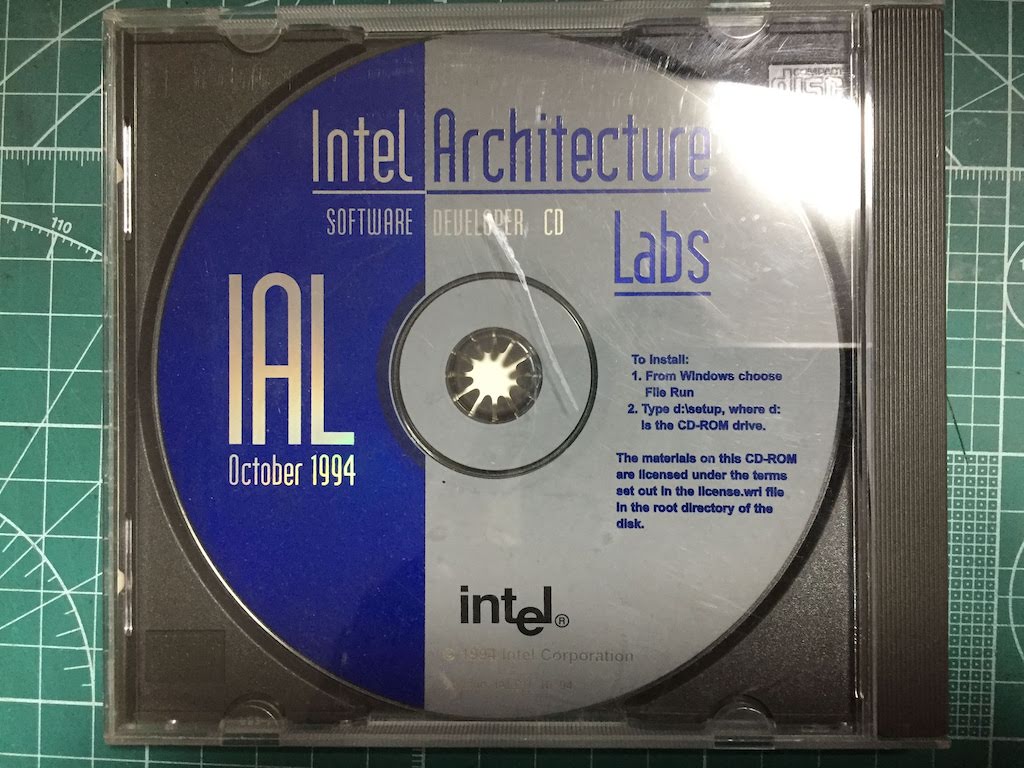
I tried porting RenderVR, which I had also ported to a GDI base, to 3DR. Although the S3 board I had didn't trigger acceleration, the software-based performance was surprisingly fast. The initial 3DR did not have a Z-buffer function, and I had to sort the Z-order of the objects to be drawn manually, but it was sufficient.
3DR was adopted in CAD software like TrueSpace during the Windows 3.1 era, but later Intel announced it would donate 3DR to Microsoft's GameSDK (WinG) project, and its role ended with V2.0 in 1995, around the time of the emergence of DirectX.
Macintosh (System 7.x)
Unlike DOS, the Macintosh did not have 16-bit limitations imposed by the OS, and QuickDraw, the foundation of its graphics, was faster than the GDI in early Windows. Therefore, I was able to program comfortably even on a low-end LC III at the time.
CPU performance was still modest. I remember implementing radiosity programs from books [34], starting a render before leaving for work, and checking the result when I came home. Progress was leisurely.
1995: QuickTime VR Arrives, But...
QuickTime VR arrived in 1995, offering panoramic, rather than freely modeled, environments. It resembles the later market for 360-degree cameras such as the RICOH THETA. Even with limited freedom of movement, it seemed promising for applications such as virtual travel.
While other companies developed and provided similar tools like SENSE8, there was no dedicated equipment at the time. Each company required the purchase of special fisheye lenses, and because QuickTime VR required purchasing authoring tools and distribution licenses, it did not reach a level of widespread adoption.
1995: QuickDraw 3D Arrives, But...
Also, the Macintosh had to wait until the arrival of QuickDraw 3D in 1995 for 3D APIs. Similar to early Direct3D, I could not program state transitions as I could with OpenGL, and I recall struggling with porting RenderVR.
Furthermore, essential QuickDraw 3D-compatible hardware was not released easily; Apple only shipped a geometry engine (for numerical calculations only) compatible with QuickDraw 3D. Although I purchased it immediately, I did not feel much improvement in speed, and even on the Power Macintosh 9500, which was the era of PowerPC, QuickDraw 3D was far from a practical speed.
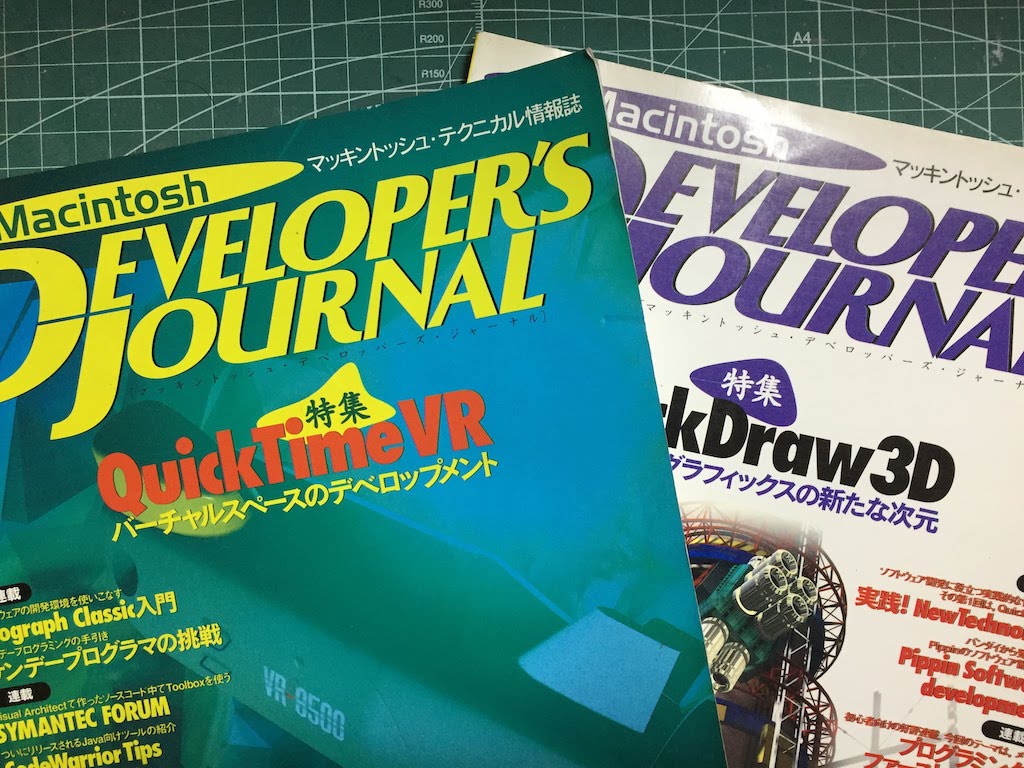
Meanwhile, Windows graphics hardware was advancing through companies such as 3Dlabs, targeting Windows NT/OpenGL, and NVIDIA, targeting Windows 95/DirectX. Macintosh 3D performance increasingly fell behind. Commercial tools such as Virtus VR [35a][41] tried to make the most of the platform, but to me they remained closer to “toy VR.”
CodeWarrior Was Great, But...
Power Macintosh arrived in 1994. I moved my main personal development machine from an LC III to a 6100/60AV and switched from THINK C to CodeWarrior. CodeWarrior’s subscription-based delivery of compiler updates also felt new.
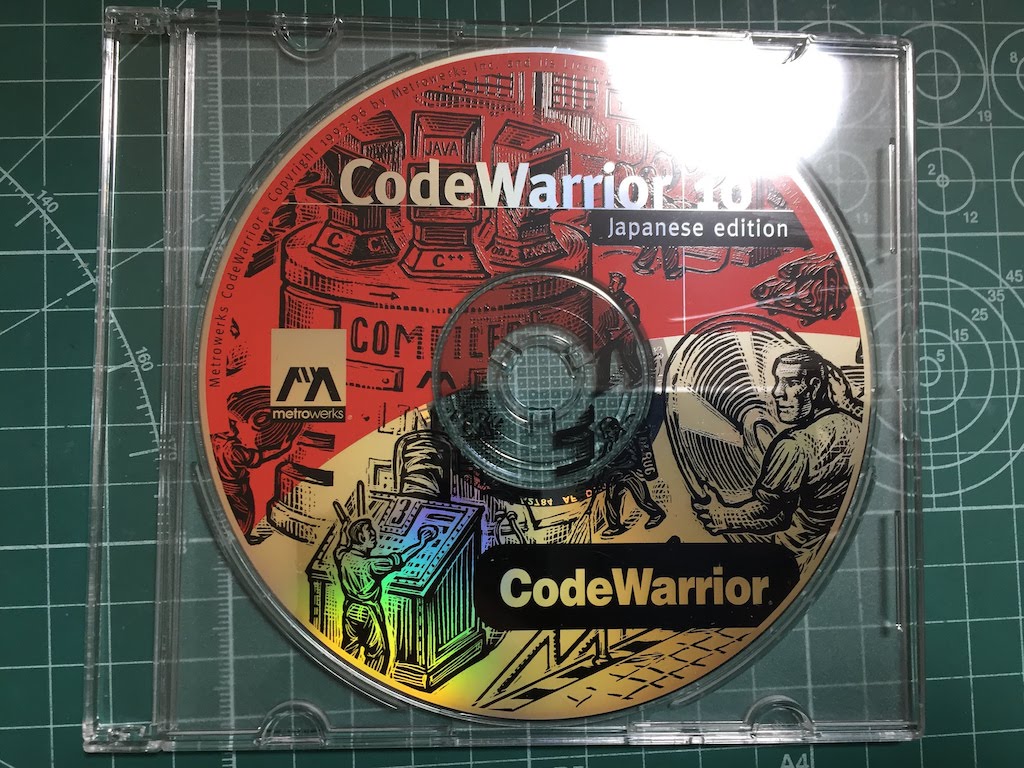
Before 1995, my personal programming environment was primarily Macintosh-first, and I also used the Macintosh as the main machine for internet mail and browsing. In addition to RenderVR, I was developing a visual language on Macintosh similar to VPL's BE (Body Electric), which would later become the foundation for my DIY VR development kit, CyberToolbox [37][38].
However, due to the aforementioned Macintosh 3D environment and the emergence of Windows NT 3.5 (Daytona), which made OpenGL and TCP/IP standard, I shifted my main personal development environment to Windows NT after 1995.
Information Sources at the Time
At the time, constant internet connection environments were not common for companies or individuals, and VR-related information was more actively exchanged on various Bulletin Board Systems (BBS) than on the internet (Usenet). For obtaining information, magazines were still the mainstream.
The VR discussions I followed on BBSs are now difficult for me to recover [42][43]. I saved communication logs on floppy disks, and some should still be among the disks I own, but I could not locate them. This part of the account therefore relies on memory.
WELL
Early VR enthusiasts often met on the WELL (Whole Earth ’Lectronic Link) [12][6]. I used it to contact people at the American VR ventures described above and regularly followed its VR discussion boards.
Also, similar to Japan's Nifty-Serve and the later-mentioned CompuServe, BBSs at the time had a gateway-like aspect to the internet, and for a while, I also exchanged mail with the internet via WELL.
For the WELL, there was no Japanese gateway comparable to Nifty-Serve’s connection to CompuServe, so connecting meant making an international dial-up call. I remember being surprised at the speed difference compared to my home 2400bps modem when I had a 9600bps modem installed to save on expenses.
CompuServe
CompuServe was also very active when it came to VR information sources on BBSs. The development group for the aforementioned REND386 [31][32] and specialized VR forums (CYBERFORUM [42]) were active [12].
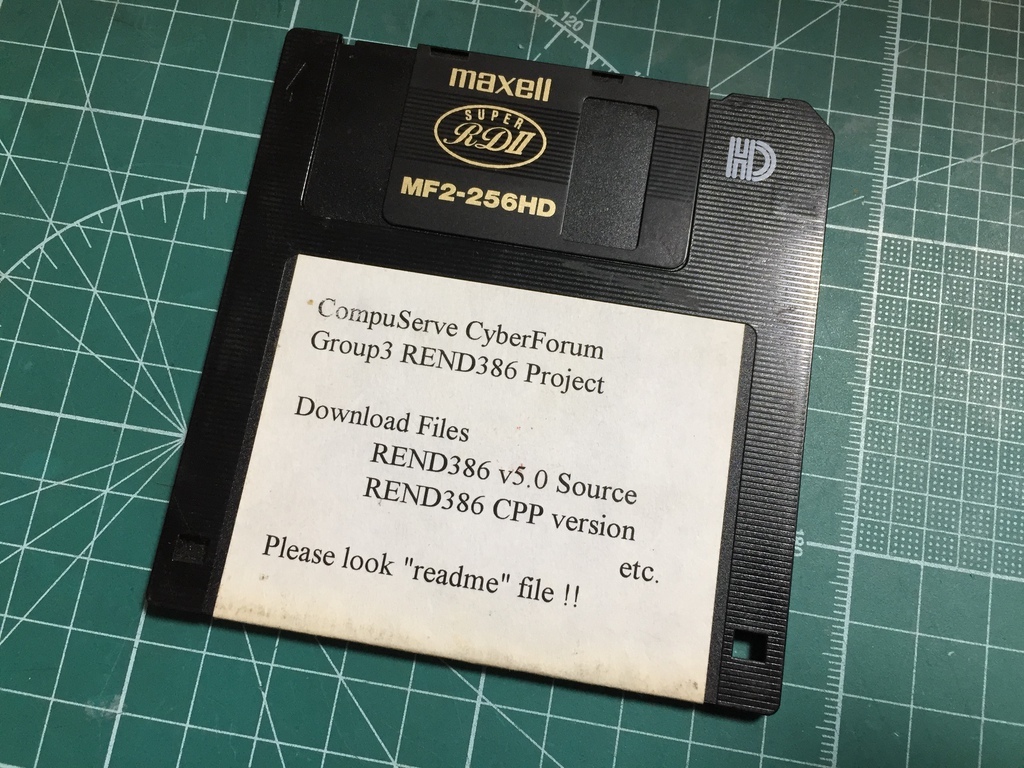
Also, at a time when computers in general, especially PC/ATs, were not yet mainstream in Japan, this was an ideal place to obtain programming information. Even before Windows and Windows NT were standard in Japan, I obtained information on things like device drivers here.
Usenet
Usenet, or Netnews, also had VR-related groups. There were active discussions on sci.virtual-worlds when the group was first established [43][6][39]. By the time I joined in the 1990s, however, it seemed quiet. I connected as a UUCP site but saw little traffic.
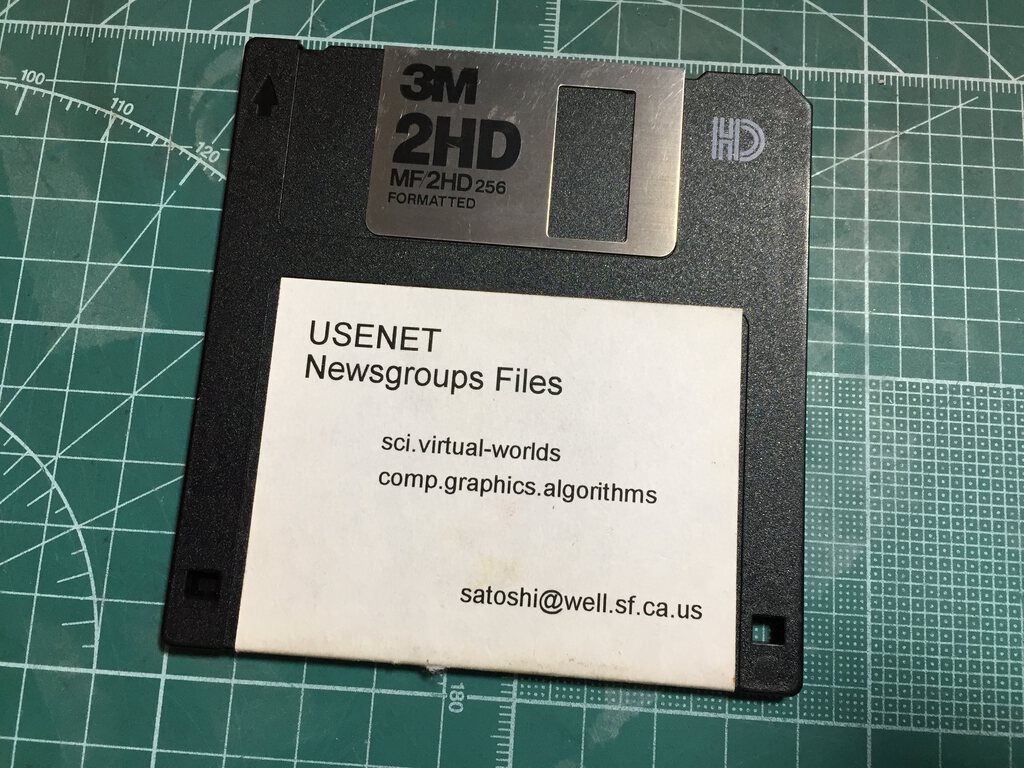
I believe I also subscribed to comp.graphics.algorithms. My strongest impression is that it lacked the liveliness I found on the WELL and CompuServe. Losing access to that community history is regrettable.
Japanese Magazines
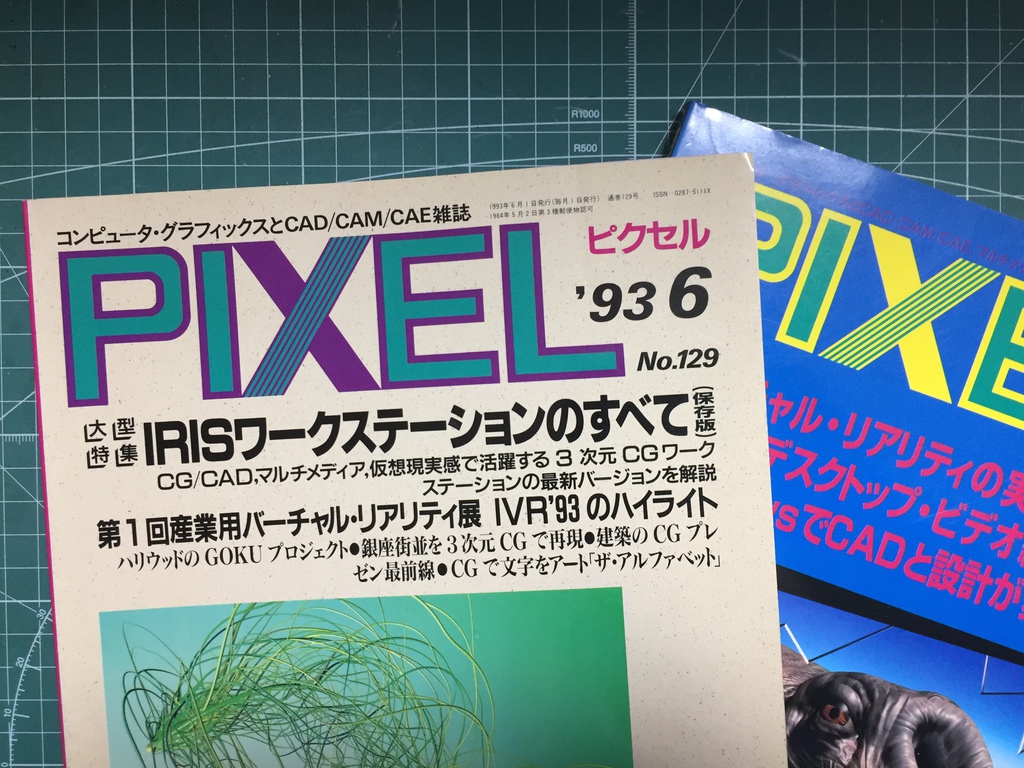
At the time, VR was frequently featured in computer graphics magazines such as PIXEL by the Zukei Shori Joho Center, as well as general-interest magazines like ASCII. The aforementioned Cyberthon was also featured in a special report by ASCII [3][4]. In the academic field, magazines like bit also occasionally published contributions related to VR from universities and companies.
Additionally, Nikkei Byte (or Nikkei Electronics?) regularly ran special features on VR trends, combining their own reporting with news on manufacturers both overseas and in Japan. I recall seeing prototype report articles on head-mounted displays, especially the Sony Glasstron, from the very beginning of their development. I remember being disappointed—though not entirely surprised—when they were finally released without the head-tracking functionality, even though the S-video terminal remained.
International Magazines
At the time, although small-scale, VR-related magazines like "VR News" and PCVR were published. Both were subscription-based and had somewhat loose, irregular publication schedules—not strictly monthly—but I always looked forward to their arrival.
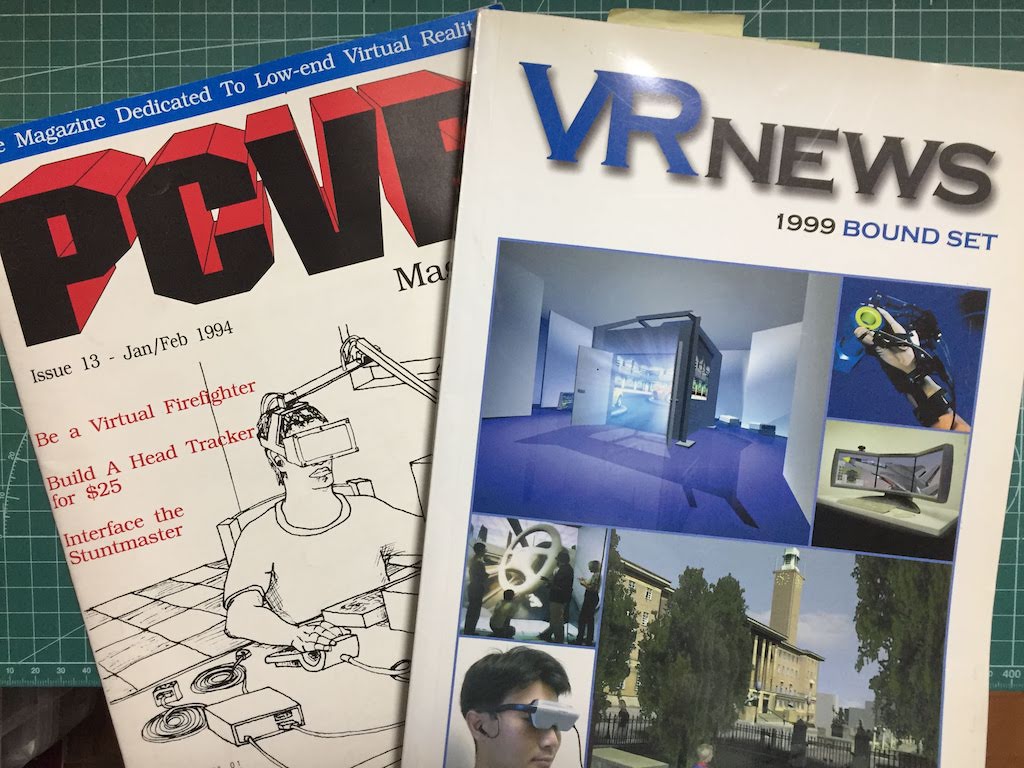
"VR News" covered not just VR from around the world but also 3D-related information, making it a comprehensive VR magazine. On a couple of occasions, I was contacted about featuring my homemade CyberToolbox [37][38] featured in articles.
PCVR was a magazine specializing in low-end VR. It focused on DIY articles for building systems, including VR devices like HMDs, based on free VR systems such as REND386 [31][32]. It contained many explanations of the fundamental principles of VR necessary for DIY projects, giving it an atmosphere similar to a more hardware-focused version of today's "Make:" magazine.
The Environment at the Time
Although home and mobile internet access later became routine, continuous connectivity was unusual in this period. CD-ROM drives were not yet widespread on PCs, and magnetic tape still mattered for storing and distributing large amounts of data.
Network Environment
TCP/IP was already standard in Unix environments, but AppleTalk was the standard for Mac, and NetWare was common for PCs. While MacTCP was available for Mac, TCP/IP was not supported natively by the OS for DOS or Windows, and widespread adoption had to wait for the arrival of Windows NT and Windows 95.
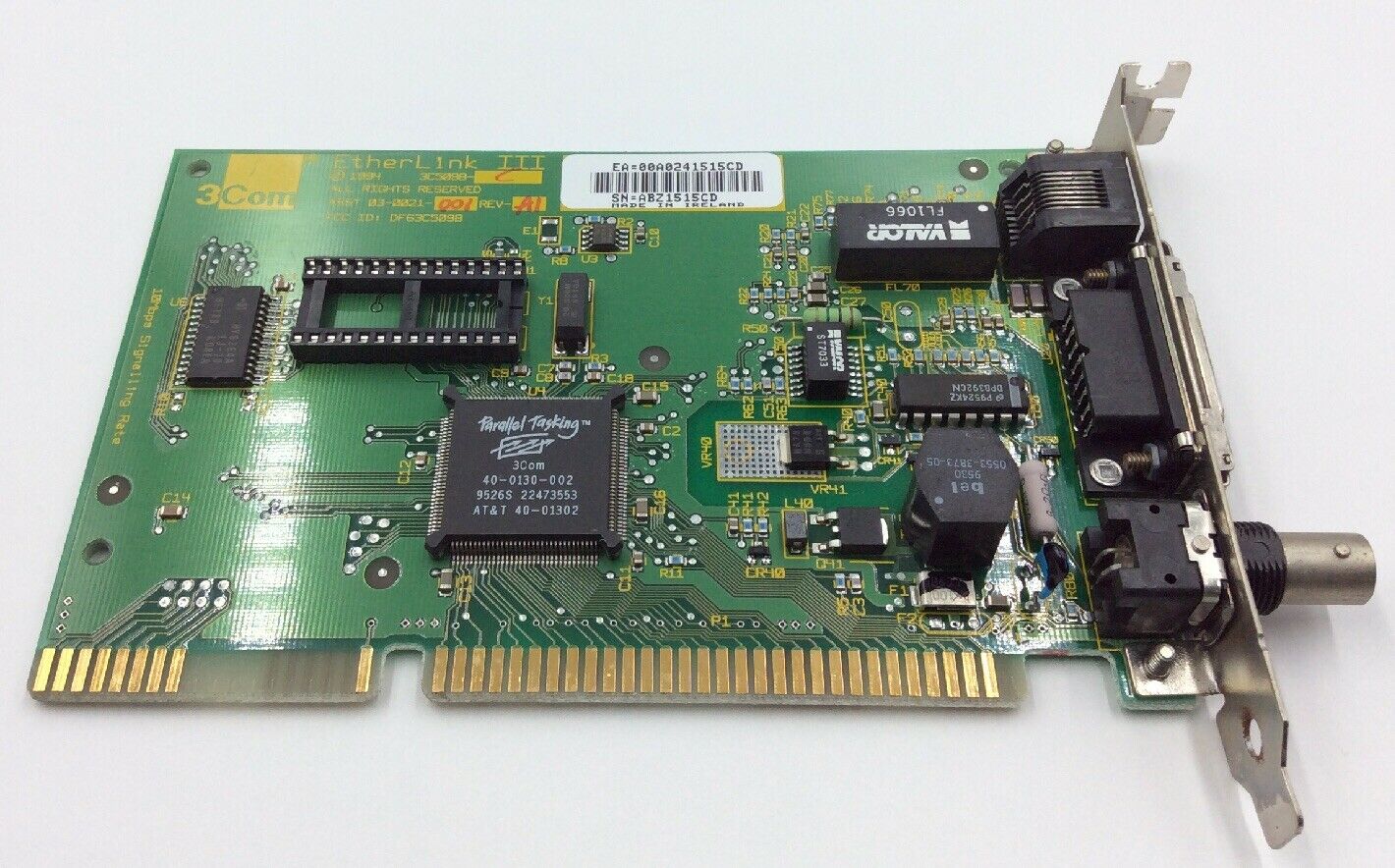
Before the advent of Windows NT/95, using TCP/IP on DOS/Windows—with the exception of Windows for Workgroups (English version)—required purchasing commercial software such as Chameleon along with compatible hardware like the 3C509B Ether Link III [57]. Because of this background, parallel or serial ports were sometimes cross-connected on PCs, not just for stereoscopic synchronization but also as a method for sharing virtual spaces.
Regarding physical networking, coaxial cable was still mainstream at the time, with 10BASE5 used for workstations and 10BASE2 in offices. While VPL Research's RB2 (Reality Built for 2) [10] was groundbreaking, given the network environment of the time, operating it as a standalone system—like in the case of Matsushita Works—was a realistic choice [11].
Even in workstation environments, 10BASE-T was not yet common in the 10Mbps era, and building networks with coaxial cables via 10BASE-5 or 10BASE-2 was the norm. 10BASE-5 was frequently used for workstation installations, and in those days, one would hire professional contractors to lay the network to ensure reliable installation.
While research on sharing virtual spaces over local networks was underway, the full-scale sharing of virtual spaces via local and global networks would have to wait for the proliferation of VRML, the internet, and TCP/IP after 1995.
Distribution Media
In workstation environments, CD-ROMs were widespread, but since recordable CD-R or MO drives were not yet common, software distribution via magnetic tape, such as QIC-150, was the norm.
In the world of PC/AT, CD-ROMs had yet to penetrate the market. Small amounts of data were distributed via floppy disk, and large-capacity data was distributed via tapes like QIC-150 or QIC-80, just as with workstations. The aforementioned 403E, an Intel-made PC/AT compatible machine, also had an ARCHIVE QIC drive (2150S)—as standard, I believe.
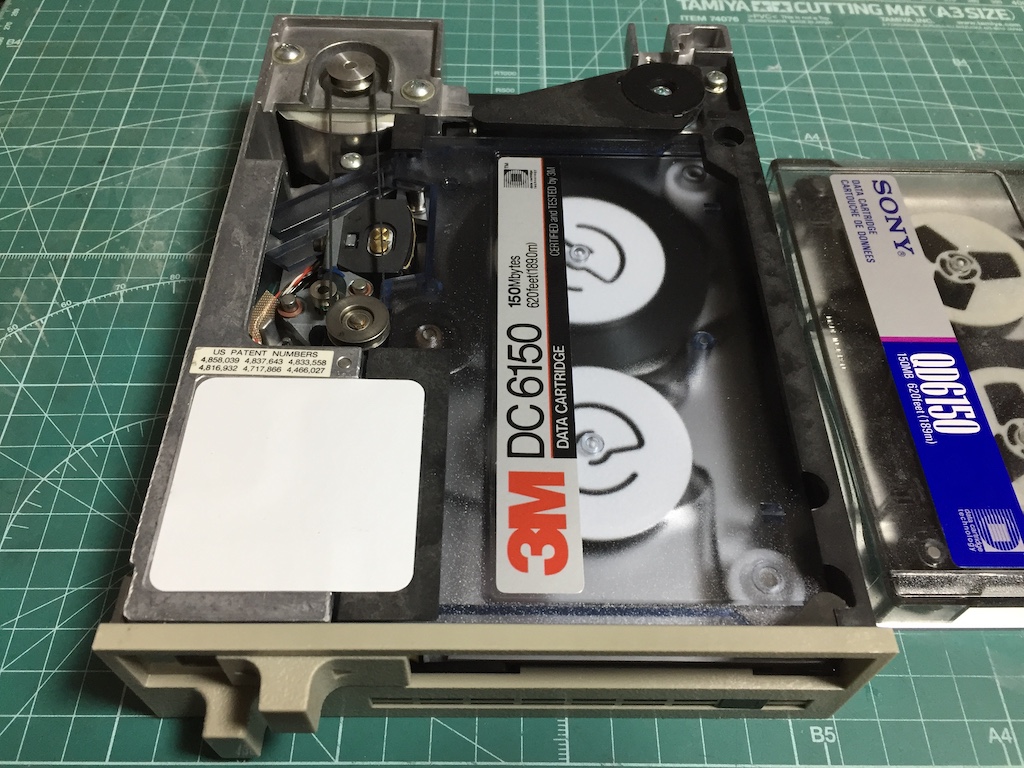
Large transfers over the internet were not yet routine. We often sent VR’s large 3D data files by post on QIC tapes. Small QIC-80 tapes were used for international exchanges, while QIC-150 was common in Japan.
In Japan, the FM TOWNS, which featured a standard CD-ROM drive, had appeared, but since CD-R/RW drives were not yet widespread, and producing CD-ROMs from masters was not realistic for individuals or hobbyist groups due to costs and effort, I recall that even things like the TOWNS version of Linux from NiftyServe were circulated via QIC-150.
With the later proliferation of the internet and CD-ROM/RW drives, combined with the emergence of DDS (Digital Data Storage) based on DAT, a higher-capacity tape media, QIC rapidly faded into obscurity.
Conclusion
I share the concern expressed in the afterword of VR Genron: the energy and atmosphere of the period sometimes called the “first year of VR” have faded from memory. This essay is my attempt to recall them.
Why was the fervor of that time forgotten?
Much of this activity preceded widespread internet access. The BBS conversations I relied on are difficult to recover, and I do not know how much of their logs survives [42][43]. That loss of accessible records is one reason the period can seem so distant.
Furthermore, this was an era before consumer-grade digital cameras like the QV-10 [39] were widespread. To create digital content, one had to go through the trouble of using a scanner, so even if people possessed such content, it rarely surfaced publicly.
As the motivation for publishing "VR Genron" suggests, some books and magazines from that time are now difficult to obtain. With these historical circumstances combined, it is perhaps inevitable that the fervor of the VR dawn has been forgotten and that a generational divide has formed.
VR from the Perspective of the Original Essay
From the perspective of the original essay, even a smartphone such as the iPhone would have outperformed the SGI Onyx/RE2 systems that cost tens of millions of yen in the 1990s. Consumer Oculus HMDs also offered much better displays than the VGA-class (640 × 480) high-end systems whose projected prices reached ¥10 million.
Rendering speed and display resolution had improved dramatically. Yet, to my eye, many of VR’s underlying approaches remained recognizable from the early period.
Stereoscopic presentation still used principles familiar from early HMDs and StereoGraphics’ CrystalEyes. Image recognition and gyro sensors had made head tracking much simpler and cheaper. My original point was that improved hardware alone did not answer the question of why people would adopt VR.
The Question of Wider Adoption
In the early period, a common optimistic explanation was that VR and 3D were held back mainly by expensive hardware. Yet 3D television, standardized by ARIB in 2010 [19], did not become an everyday medium even after digital televisions had spread widely in Japan [35b].
Perhaps early VR and 3D did not become widespread not just because hardware and software were expensive and resolution was low. For instance, stereoscopically viewing fixed-plane images via parallax may be physiologically unnatural [20], and a breakthrough in principles that avoids physical strain may be necessary.
Regarding content, there were cycles of boom and bust—from 3D broadcasting on digital TV to VRML in 1995 and Second Life in the 2000s—but for human communication, 3D is not essential. In fact, one gets the impression that 3D is unnecessary. It may be that 3D, with its high information density, is inherently difficult to handle.
I cannot deny the possibility that there remain essential factors surrounding VR that continue to hinder its widespread adoption, much like with 3D digital TV. It might be physiological aversion, or it might be that it is inherently unnecessary.
My impression when writing the original essay was that faster rendering had addressed one cause of VR sickness, but that a new boom was arriving without resolving all of the underlying difficulties.
Revisiting Jaron Lanier’s Remarks
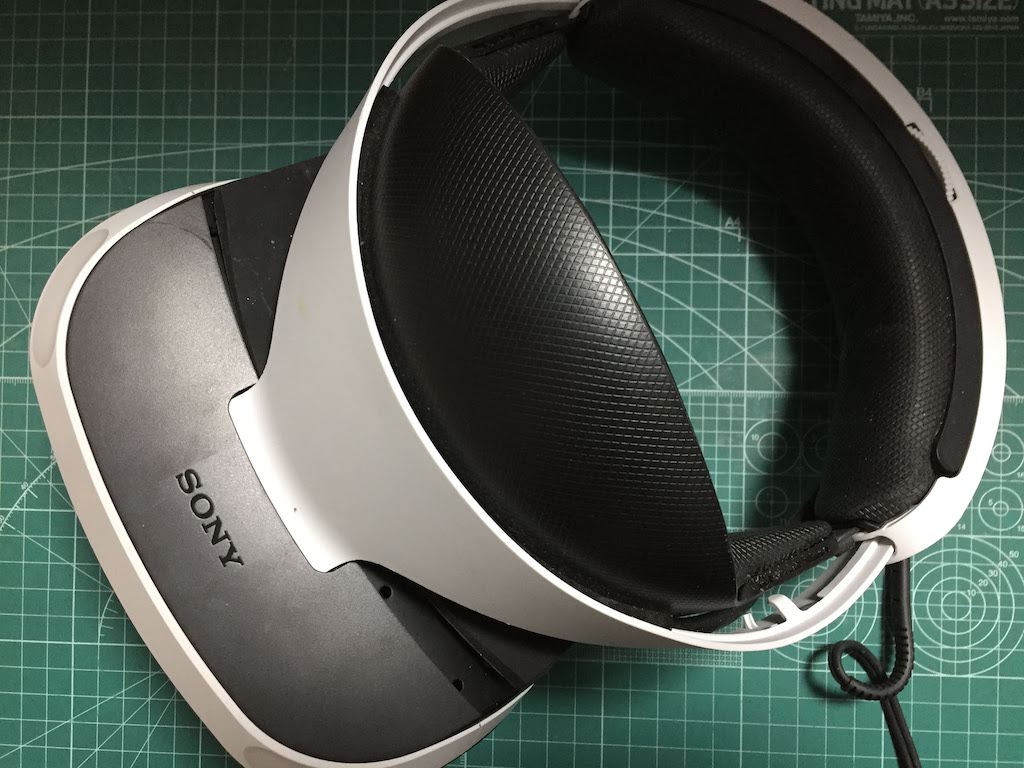
I had been deeply involved with VR and 3D, both professionally and as a hobby, from the early period through VRML’s rise and decline. I remained skeptical of another VR boom, yet I was still tempted to analyze devices such as the Wii Remote [36] or try hardware such as PlayStation VR.
Rereading the old reports, I found remarks by Jaron Lanier at Cyberthon to the effect that improving screen resolution would never allow it to surpass reality [4].
Roughly three decades later, those remarks still seemed relevant when I wrote the original essay. Perhaps widespread adoption required experiences that did not feel uncomfortable or artificial, rather than resolution alone.
My expectation was that cheaper, more capable hardware would make VR useful in industrial settings where it served a practical need, as in its early applications. Consumer and entertainment uses were a separate question.
If revisiting this history reveals something I can contribute to, or find interesting in VR and 3D, I would still like to explore it.
2026 Editorial Update: Why Wider Adoption Remains Difficult
Added for this English edition on 12 October 2026.
Looking back from 2026, I think broad adoption has remained harder than the early enthusiasm suggested. Reports about Meta’s changes provide a recent example. Next Reality reported layoffs and a shift in Reality Labs priorities on 16 January 2026 [61]. Daniel Howley’s 19 January analysis for Yahoo Finance described a gap between Meta’s metaverse ambitions and consumer interest [65]. NBC Bay Area then reported further job cuts across Facebook and Reality Labs on 25 March [62]. These are reports about one company’s staffing and investment choices, rather than measures of the entire VR market.
Meta’s own 2026 developer update is more useful for understanding the distinction. It acknowledged that the VR industry had grown more slowly than hoped, while separating the Quest VR platform from Horizon Worlds and shifting Worlds’ focus toward mobile. It also reaffirmed a roadmap of future VR headsets [63]. By September, Meta was announcing another VR device, with availability planned for 2027 [64]. Development was continuing even as the strategy changed.
For me, this reinforces the question raised by the original essay: better hardware does not automatically make VR an everyday medium. A company’s metaverse strategy, the appeal of headsets to ordinary users, and the value of particular industrial or creative applications are different questions. The recent investment reset supports a cautious view of widespread adoption; it does not establish that VR has no useful applications or that every attempt has failed. I still see room to explore practical uses, without assuming that the next improvement in resolution, weight, or processing speed will by itself deliver mass adoption.
References
Japanese titles below are retained from the source. English glosses in the essay are descriptive translations, not verified official English-edition titles. References 35a and 35b disambiguate two different items both numbered 35 in the Japanese article. Historical product listings and web pages are retained as citations, not as claims of current availability.
- [1] 人工現実感の世界, 服部 桂, 1991
- [2] VR原論 人とテクノロジーの新しいリアル, 服部 桂, 2019
- [3] バーチャルリアリティ最前線 サイバーソン(CYBERTHON)報告 前編, 月刊アスキー 1991年1月号
- [4] バーチャルリアリティ最前線 サイバーソン(CYBERTHON)報告 後編, 月刊アスキー 1991年2月号
- [5] Virtual Reality, Howard Rheingold, 1991
- [6] バーチャル・リアリティ―幻想と現実の境界が消える日, Howard Rheingold, ソフトバンククリエイティブ, 1992
- [7] Virtual reality: Through the new looking glass
- [8] 実録!天才プログラマー, マイクロソフトプレス, 1987
- [9] Myron K. Krueger, Artificial Reality 2, 1991
- [10] 人工現実―インタラクティブ・メディアの展開
- [11] 架想楽園へ行こう―バーチャルリアリティでパラダイス!
- [12] ヴァーチャル・リアリティーズ : 産業と文化のアンソロジー, 技術評論社, 1993
- [13] Through the Looking Glass: Beyond User Interfaces, John Walker, 1988
- [14] DevCon 2017 : Forge VR/AR Toolkit 発表
- [15] THE SPEA CARDS - Geek dot
- [16] マルチメディアへの挑戦―コンピューターがテレビを超えるとき, 清水 計宏, 1991
- [17] Shoemake, Ken. "Animating rotation with quaternion curves." ACM SIGGRAPH computer graphics. Vol. 19. No. 3. ACM, 1985
- [18] Shoemake, Ken. "Quaternions.", 1985
- [19] ARIB 技術資料概要(TR-B15)
- [20] 3D テレビに関する検討会 最終報告書
- [21] 米国特許番号 4,542,291 OPTICALFLEXSENSOR, Thomas Zimmerman, VPL Research Inc, 1985
- [22] コラム:第三の革命 立体3D映画の時代 - 第11回
- [23] バックアップ活用テクニック PART15 (3Dシステム)
- [24] セガ・マスターシステム - WikiPedia
- [25] 幻の「Sega VR」が発売できなかった理由、当時の関係者が明かす
- [26] VRML: Browsing and Building Cyberspace, Mark Pesce, 1995
- [27] Egolowstein. Reach Out and Touch Your Data. Byte, 7:283-290, 1990 - BOXTON COLLECTION PowerGlove
- [28] PCVR - Virtual Reality and the IBM Personal Computer, Issue 1, 1991
- [29] PCVR - Virtual Reality and the IBM Personal Computer, Issue 10, 1993
- [30] PCVR - Virtual Reality and the IBM Personal Computer, Issue 14, 1994
- [31] Rend386 - Free 3D rendering package for DOS
- [32] Virtual Reality Creations: Explore, Manipulate, and Create Virtual Worlds on Your Pc/Book and Disk, Bernie Roehl, 1993
- [33] VREAM - Wikipedia
- [34] Radiosity and Realistic Image Synthesis, Michael F. Cohen, John R. Wallace. 1993
- [35a] Virtus VR - Macintosh Repository
- [35b] 3Dテレビや3D放送はそれからどうなったのか
- [36] Wiimote for C++ (関連アーカイブ)
- [37] CyberToolbox for Java Java3D Programming Contest (1998)
- [38] CyberToolbox for WIN32
- [39] カシオがもたらしたデジカメの歴史を振り返る
- [40] Cyberspace developer kit. Autodesk Inc, 1993, WorldCat
- [41] Virtus Vrml Toolkit
- [42] What Is Virtual Reality?, Jerry Isdale, CompuServe CyberForum, 1993
- [43] sci.virtual-worlds Reference Frequently Asked Questions (FAQ)
- [44] DOS/Vで楽しむバーチャルリアリティ, Nicholas Lavroff, 1993
- [45] Virtual Reality and the Pioneers of Cyberspace, WIRED
- [46] NASA Employs SENSE8 3D/VR Technology in Mars Pathfinder Mission, EE Times, 1997
- [47] 第1回産業用バーチャル・リアリティ展 IVR'93のハイライト、PIXEL No.129, 1993
- [48] バーチャルリアリティの実用化を模索する、PIXEL No.142, 1994
- [49] 業界に痕跡を残して消えたメーカー CG業界を牽引したSGI
- [50] 業界に痕跡を残して消えたメーカー UNIXの覇者Sun Microsystems
- [51] 米オラクルがSolaris関連の従業員をほぼ全員レイオフしたとの報道
- [52] 元麻布春男の視点 なぜグラフィックス・カード・ベンダは倒産するのか
- [53] 元麻布春男の週刊PCホットライン - 3Dlabs撤退に思う
- [54] IBM 69F9731 07G8265 ACTIONMEDIA II 2MB VIDEO CARD 16 bit ISA - free ship!, df-concepts, ebay.com, 2019/11
- [55] Sun ZX 24-Bit Color Frame Buffer (p/n 501-1845) X1094A, www.memoryx.com, ebay.com, 2019/11
- [56] THE FIRST HOME VR HEADSET WAS APPARENTLY CREATED BY A LUNATIC, digitiser2000.com
- [57] 3C509BCOMBO ETHERLINKIII 10baset NETWORK 3c509b-combo FREE SHIPPING, pcparts821, ebay.com, 2020/01
- [58] VictorMaxx Virtual Reality Stuntmaster Headset SNES Sega Genesis, ebay.com, 2020/01
- [59] Tachi_Lab - VR黎明期
- [60] CyberGlove for C++ – CyberGarage
- [61] Next Reality, “Meta Cuts 1,500 Reality Labs Jobs in $70B VR Pivot,” 16 January 2026; updated 4 February 2026 (secondary reporting)
- [62] NBC Bay Area, “Meta cuts hundreds of jobs as it focuses on AI and moves away from VR,” 25 March 2026
- [63] Meta Horizon OS Developers, “Our Renewed Focus in 2026,” 2026
- [64] Meta Newsroom, “Introducing Meta VR Glasses: A Cinema, Courtside Seat, and Workspace in Just 100 Grams,” 23 September 2026; updated 24 September 2026 (announcement; planned 2027 availability)
- [65] Daniel Howley, “Where Meta’s metaverse vision went wrong,” Yahoo Finance, 19 January 2026 (analysis)